Felt is a non-woven textile material with unique properties.
You can purchase it from us
When talking about felt, one usually thinks of sheets of tightly felted wool or felted shoes or multicolored sets of felt intended for handicrafts. All of this is correct: the material is diverse, suitable for both technical needs and the production of footwear, stylish accessories, clothing, and home decorations.
Content
Type of Fabric
Link to history
Description
Composition
Types and their properties
Some Interesting Species
Advantages
Disadvantages
Scope of Application
Clothing and Footwear
Home Textiles
Care
Type of Fabric
Felt is a natural non-woven material with a unique ability to retain heat. Felt boots are traditionally considered the warmest footwear for a reason, as they keep feet from freezing even in severe frosts. Felt can vary: coarse wool and light felt, solid-colored or decorated with printed images, thick and thin, almost like paper. One thing, however, is always the same: the canvas is made only from natural wool.
To answer the question of what felt is, we will look at the history of the appearance and properties of the material.
Reference to History
The material, which later became known as felt fabric, first appeared around the 5th century.-6. century BC. Then people domesticated goats and learned to use their thin, soft wool in a similar way. There is a legend that even in Noah's Ark, under conditions of forced clustering, animals rubbed against each other and their fluff naturally fell off.
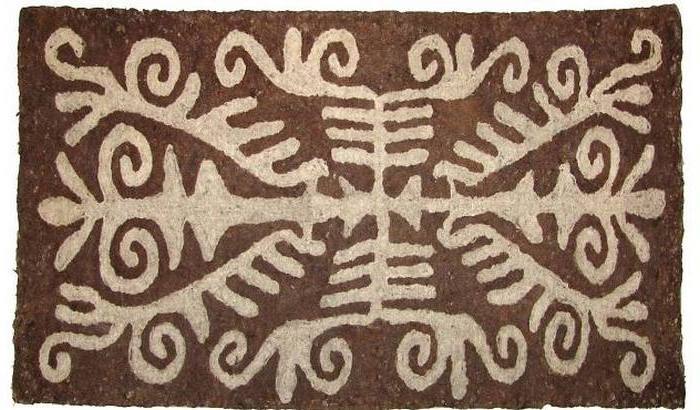
The word "ojlyk" is of Turkic origin, translated as "blanket". Thin wool felt truly provides excellent warmth, which is why nomadic peoples have long used it as warm blankets. Made from natural wool, it did not disrupt proper air circulation, so the body did not sweat, nor did it feel cold. Felt blankets are not as common now, having been replaced by products made from other materials, but woolen fabrics are still actively used in modern industry.
Description
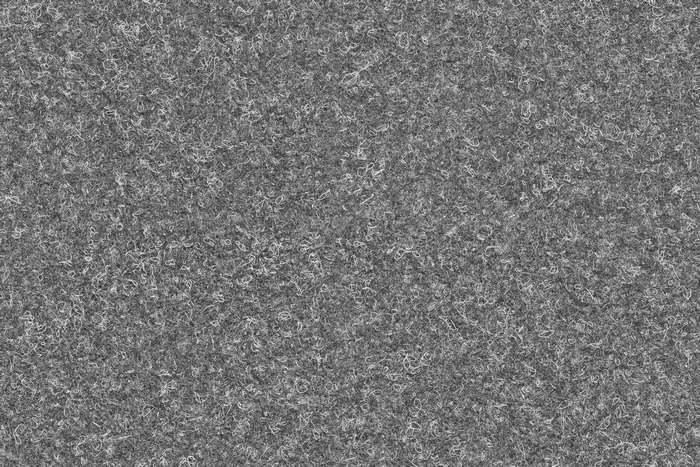
Without a more detailed description, it would not be clear what material it is. Dense, woolly, warm, rough to the touch, with characteristic protruding villi. It slices easily, doesn't crumble, and can have varying thickness.
In traditional, true felt, there is nothing synthetic, only goat or sheep wool. However, manufacturers now offer artificial ones, which we will also discuss.
Composition
Natural felted fabric is made from the wool of domestic sheep, less commonly goats. If it is handmade, then we are talking about a popular type of handicraft – creating various figurines or decorative ornaments, designer bags, clothing details. The industrial production of modern felt involves large volumes and supplies rolls of non-woven material to the market.
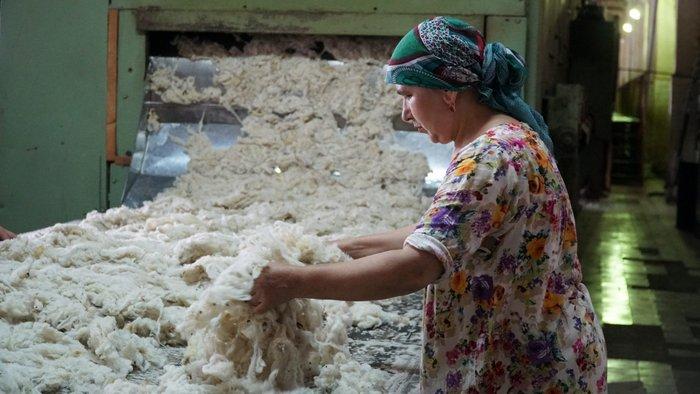
Today, you can buy both coarse, thick canvases and lightweight ones, dyed in various colors and decorated with images, directly from the manufacturer. The answers to the question of what felt is usually made from say goat or sheep wool. In fact, today an artificial analogue made from polypropylene fibers is being sold. It differs from natural materials in that it is cheaper and has different properties: it is not as warm, it is less breathable, and the body sweats.
Types and Their Properties
Given that canvas has been known to the world for a long time, people have learned to produce it in various ways. Let's look at what types exist.
Technical felt. They differ in the large thickness of the canvases – up to 12 mm, coarse. It is used in various industrial sectors. This group includes acoustic felt, which is used to create sound insulation in rooms. Construction felt is used for building insulation, and mullite-silica felt is used for highly efficient insulation. Technical diversity also offers fundamentally new materials. For example, carbon felt (or graphite felt), which has excellent absorption properties, is used in medicine, energy, industry for air purification or pollution. For technical purposes, coarse wool, thick and dense felt is usually used.
Thin felt.
It is used in light industry as well as for handicrafts. It is often produced in the form of a sheet or tape, in various colors and designs. Its density is much lower than that of the technical one, with a thickness ranging from 1 mm to 3 mm. Thin felt is called felt. Easily acquires the desired shape, does not crumble when cut, suitable for various purposes. For example, decorative felt - for making children's toys, interior decorations, bags or clothing, and self-adhesive felt - for creating applications.
Felt for yurts. It has long been used for the construction of dwellings of northern nomadic peoples – yurts. It is always only natural felt that retains heat inside the house as much as possible.
Needle-punched felt. It is used in the furniture industry as upholstery. Very dense felt, characterized by high wear resistance, available in various designs.
Thermofilc.
Unique modern textiles. This is artificial felt or blended felt, which contains both natural and synthetic materials. It is often used in the production of mattresses.
Some Interesting Types
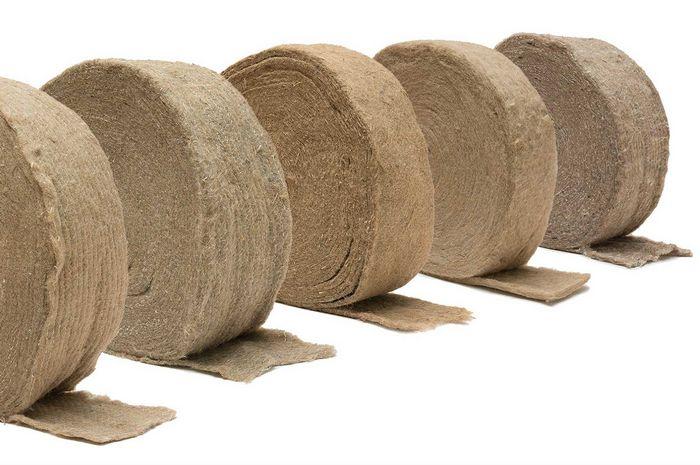
Modern manufacturers offer many new, unique materials created by felting. Jute felt is actively used for insulating house roofs. Jute is made from plant materials, with fibers that are much shorter than wool. Birds are not interested in such material because it is not suitable for insulating nests, and they do not take it away.
Abrasive felt helps to perfectly sand the surface. He used to be the one who brought a bright shine to the palace floors. Foil felt is covered on one side with a thin layer of foil, which improves thermal insulation properties. It is used for construction purposes, as well as by some experts for creating handmade products. Rubberized types are used for sound insulation, and they are also used to make floor coverings.
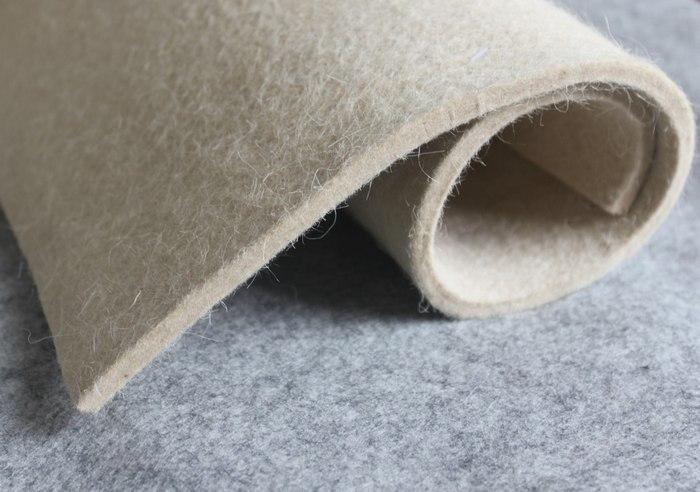
Natural canvases are becoming increasingly rare today.
Synthetic felt has almost the same properties as wool felt. However, this material is much cheaper to produce. It is often used for technical purposes. Synthetic felt is made from polypropylene, which does not burn, retains heat, and provides the necessary sound insulation.
Advantages
The hairs of sheep or goat fur are very tightly interwoven, creating a unique canvas. Its main advantage is thermal conductivity, which has long allowed the use of felt blankets, shoes, outer garments, building yurts, or insulating houses. However, there are a number of other undeniable advantages:
- environmentally friendly, hygienic;
- high breathability;
- lightweight, despite the density of the material;
- the material itself is very soft;
- antibacterial, harmful microorganisms do not live in it;
- durability, even thin felt lasts for years;
- affordable price.
Disadvantages
There are only a few: with improper care, significant shrinkage is possible. For some types of products, the absorptive property is a negative characteristic. For example, felt boots quickly get wet and then take a long time to dry. Felted textiles are uninteresting to mold, but moths often and severely damage them.
Scope of Application
Felt products can be found everywhere. They can be seen in car showrooms, households, industrial areas, grinding equipment, construction, fashion. Felt is used for insulation, cleaning, jewelry, crafts, tailoring, and various accessories. In addition, natural and artificial materials are equally common.
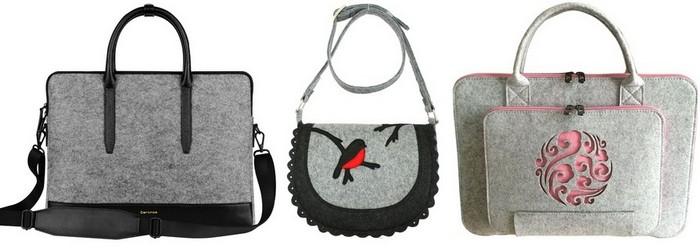
Today, earrings, headbands, and toys made from woolen fabric are popular. A felt bag is one of the most important fashion accessories.
Clothing and Footwear
Today, original felt boots, including ugg boots, are very popular. They are warm and comfortable, quickly adapting to the shape of the foot. They look good paired with a coat, jackets, and felt hats.
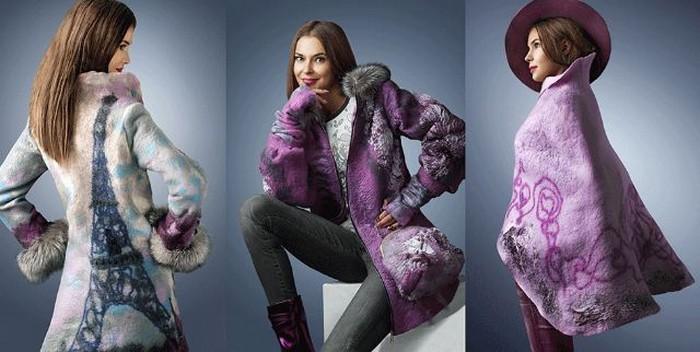
Textiles are actively used for sewing children's items. Colorful felt allows you to create beautiful, vibrant jackets for boys and girls.
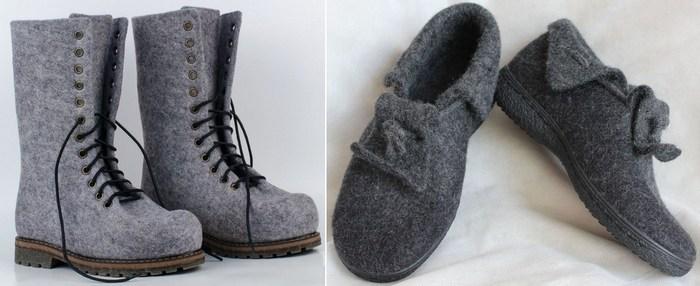
In addition, it is used to make soles and insoles for shoes, original shoe models, loafers, and felt boots. Felt sneakers or sports shoes look very unusual and at the same time vibrant. It is also used for making hats.
Home Textiles
Furniture felt looks beautiful as upholstery. Thanks to this, the product is stylish, distinctive, and durable.
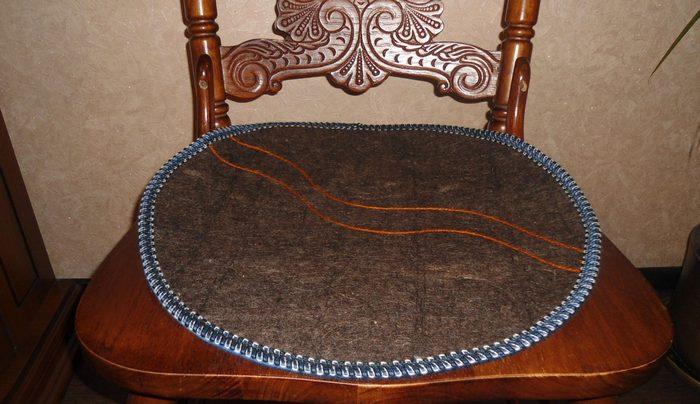
Such upholstery retains a dignified appearance for decades, practically does not wear out. Currently, felted capes, throws, blankets, and mattresses are in high demand.
Care
Felt textiles are low-maintenance and do not require any special measures. Most items only require dry cleaning: toys, shoes, decorative objects, etc. If washing is required, then only by hand, at a temperature not exceeding 40 °C, with pre-soaking for half an hour or an hour, using a mild detergent. After washing, felt items should be rinsed well, but do not wring them out; let the water drain naturally. Shoes are dried on blocks to maintain their shape.
Canvas is well-suited for home dyeing.
For these purposes, use acrylic or special paints for wool, hair cosmetics. Paint on wet canvas in several layers using a brush.
Felt products are characterized by a special charm and comfort. Recently, they have been used more actively and the fashion for this unique material is coming back to life.
/logo_placeholder.svg)
/search_thin.svg)
/user.svg)
/cart.svg)
/benefit_tag.svg)
/benefit_truck.svg)
/benefit_phone.svg)
/benefit_box.svg)