Description, Composition, Properties, and Characteristics

A practical raincoat protects against rain, wind, cold, and any manifestations of bad weather. Outer garments were made from various materials – wool, cotton, rubberized fabrics, and also synthetics.
The raincoat fabric should be durable, flexible, lightweight, and easy to maintain, so you don't have to take it to expensive dry cleaners after every trip.
A Glimpse into the Depths of Centuries
To preserve health and protect against rain and cold, men and women have worn cloaks since ancient times. The material of the raincoat should not allow air and moisture to pass through, so they tried to make it dense and waterproof.
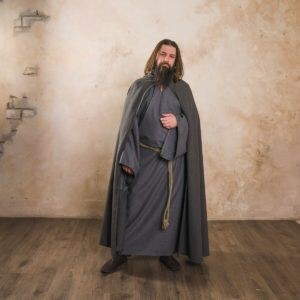
The Magician's Cloak (image on stage)
Greek philosophers chose a cloak as their symbol – it was called a chlamys.
The universal rectangular piece of cloth was also a symbol of warriors and travelers. It served as an outer garment and, if necessary, replaced a blanket or pillow.
In ancient times, cloaks were made from furs and adorned with expensive embroideries, coats of arms, and insignia of distinction. In ancient Russia, similar garments were made from brocade and felt. Princes, princesses, and clergy wore cloaks.
The first completely waterproof raincoat in history was invented in the 19th. century Scottish chemist named Charles Mackintosh. The unique thing was named after the inventor's name. At the beginning of the twentieth century in Russia, a cloak was referred to as any garment that protected against inclement weather, whether it was a military coat or a wide, heavy round cloak without sleeves with a hood.
In a broader sense, a cloak is a spacious cape with or without a hood, in which you can wrap yourself from head to toe. They were tied with a cord or attached with a special metal brooch – a fibula. Over time, the design was refined to include sleeves, buttons, and eventually zippers. The clothing began to resemble a light coat.
Blended Fabrics
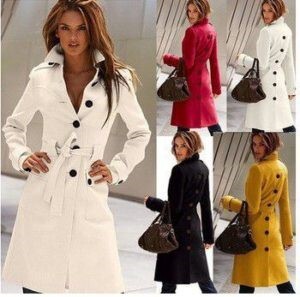 Raincoats from Blended Fabric
Very often, raincoats are made from blended fabrics (bonding, taslan, duspo, and others). A unique feature of this material is the combination of natural and synthetic threads that form the fabric. Fabrics most commonly differ in composition and the presence (or absence) of special protective impregnation, which protects the suit from dirt, water, and wind.
Blended fabrics are versatile, suitable for creating uniforms and workwear – the products are practical, reliable, and durable.
The base is most often cotton – a natural plant fiber. It is a hygroscopic, lightweight, and warm material. Cotton wrinkles easily and wears out quickly, but synthetic fibers (which are often more prevalent in the composition) eliminate these drawbacks.
A good blended fabric has the following advantages:
- wear resistance;
- weather resistance;
- lightweight and dimensional stability;
- moisture resistance;
- good ventilation;
- no shrinkage;
- affordable price;
- easy maintenance;
- decent appearance.
Let's take a closer look at blended fabrics and other types of textiles from which raincoats are made.
Jordan
The Jordan raincoat fabric is made entirely of synthetic materials. The weave of the threads is fine and dense. The material is treated with polyurethane to enhance wear resistance and resistance to water and wind. Jordan is a smooth and lightweight fabric that pleasantly shimmers and does not restrict movement.
Advantages of the material:
- good air exchange;
- wind protection;
- resistance to frequent friction and tearing (special strength);
- the fabric retains its vibrant color for a long time and does not fade.
This material is also used to make sweatpants, trousers, windbreakers, and jackets. The only disadvantage is that Jordan can be electrified. This property is neutralized by using antistatic sprays.
Maintenance is simple – the fabric can be hand washed or machine washed and dried flat. Thanks to its synthetic composition, the material is virtually wrinkle-free and does not require frequent ironing.
Duspo
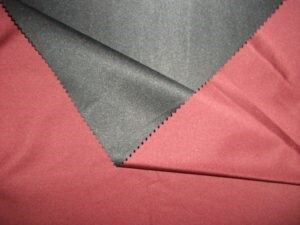 Duspo fabric
The word "duspo" is used to refer to the entire group of waterproof blended fabrics. The material is based on polyamide synthetic threads. The binding is smooth (i.e. "thread by thread"). Duspo is impregnated with protective waterproof mixtures. The finished fabric is very dense, soft, and quiet – it doesn't rustle at all.
Advantages of the fabric:
- softness and lightness;
- additional protection not only from moisture but also from dust and wind;
- good ventilation;
- heat retention;
- durability.
Among the varieties of duspo are:
- Jagard is a strong non-slip textured fabric.
- Bonding is a double-layered fabric. It consists of a waterproof raincoat with a knitted lining. Knit, meaning a knitted rather than woven fabric, is a very elastic, pleasant to the touch, and warm material.
- Milky is a lightweight velvety material with double-sided milky impregnation. The fabric is soft, delicate, and opaque.
- Ray is a lightweight fabric with a subtle pearlescent sheen. It is characterized by stiffness, which allows for the creation of interesting raincoat designs and maintains the shape of the product.
- Sire is an elegant shiny fabric with a decorative coating.
Jackets, pants, windbreakers, vests, and even puffs and tents are made from duspo. The only thing the material requires is careful care. Products are hand-washed with gentle cleaning agents (without bleach or chlorine), taking care not to wrinkle or twist them. Let the water drain from the item over the bathtub.
Camouflage Raincoat Fabric
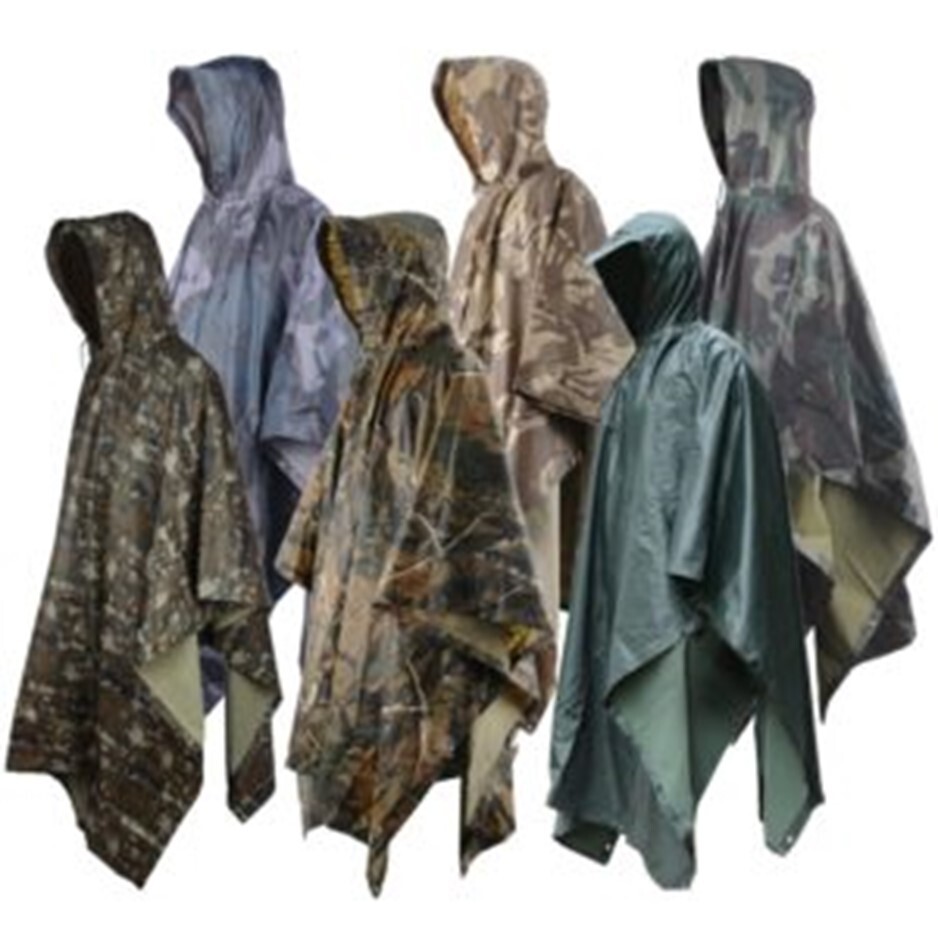 Camouflage - ideal for hiking
A characteristic feature of camouflage is a special protective pattern that mimics the external environment. The substance essentially has the color of vegetation (green leaves, dry yellow grass, reeds), as well as snow and sand. Another color variety is the silver "birch" with deformative properties. Camouflage is often made from polyester and other synthetic fibers.
Benefits of camouflage raincoat fabric:
- strength;
- hygiene;
- damage resistance;
- water resistance;
- wind protection.
Camouflage fabrics are very reliable because they are designed for hunters, fishermen, researchers, tourists, and security personnel. Usually, such a raincoat only needs to be cleaned with a brush, unless it has been in extreme weather conditions. The fabric can be washed at home. It is recommended to read the information on the product label.
Membrane Raincoat Fabric
The membrane is a waterproof fabric that effectively protects against snow, rain, and wind, but it does not resist cold (therefore it cannot be used on its own). The main purpose of this material is protection against adverse weather and free vapor permeability (a property that prevents the sauna effect between the body and the fabric).
Based on their structure, the following types of membrane tissues are distinguished:
- two-layer material – the membrane is placed on the reverse side and is covered with a lining;
- three-layer fabric – the membrane, outer fabric, and mesh lining are combined into one fabric;
- membrane with protective coating;
- material impregnated with a water-repellent composition.
There are fabrics with pores and without them. Porous membranes allow vapor to escape while preventing moisture from entering. Fabrics without pores simply accumulate vapor molecules on the inner surface.
Advantages of the membrane:
- lightness;
- modernity and technology;
- effective protection;
- ventilation.
Among the disadvantages is the high price.
The fabric is washed by hand and in the washing machine (select a gentle cycle), not tumble dried, and not dry cleaned. There is no need to wring the membrane fabric; it is better to let the water drain. The material effectively repels dirt from the surface, so washing can often be replaced by dry cleaning with a soft brush.
Oxford
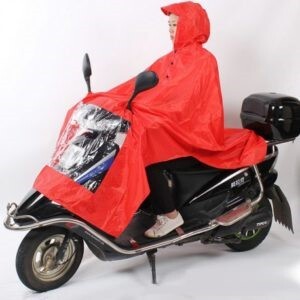 Oxford raincoat for motorcycle riding
Traditionally, men's shirts were made in Oxford. Made from polyester and nylon. The fabric is coated with polyurethane – it is a completely colorless coating, making it waterproof and windproof. The nylon material composition protects against abrasion and chemicals.
"Mat" or "Panama weave" is a special type of thread joining in Oxford. The weaving pattern is two warp threads over two weft threads. These types of fabrics are distinguished: pinpoint and royal oxford (more expensive fabric, differing in yarn quality).
The advantages of Oxford include:
- strength and flexibility;
- durability;
- affordable price;
- resistance to dust and moisture.
Disadvantages of the fabric:
- poor resistance to high temperatures (deformation);
- accumulates static electricity.
Care is simple: wash in any way in water heated to 40 degrees. Severe pollution (e.g. (adhered dirt) is washed away by a stream of running water. Liquid cleaning agents are ideal. The product is dried away from heating devices. The maximum heating temperature of the iron is 110 degrees.
Quilted and Smooth Fleece Fabric
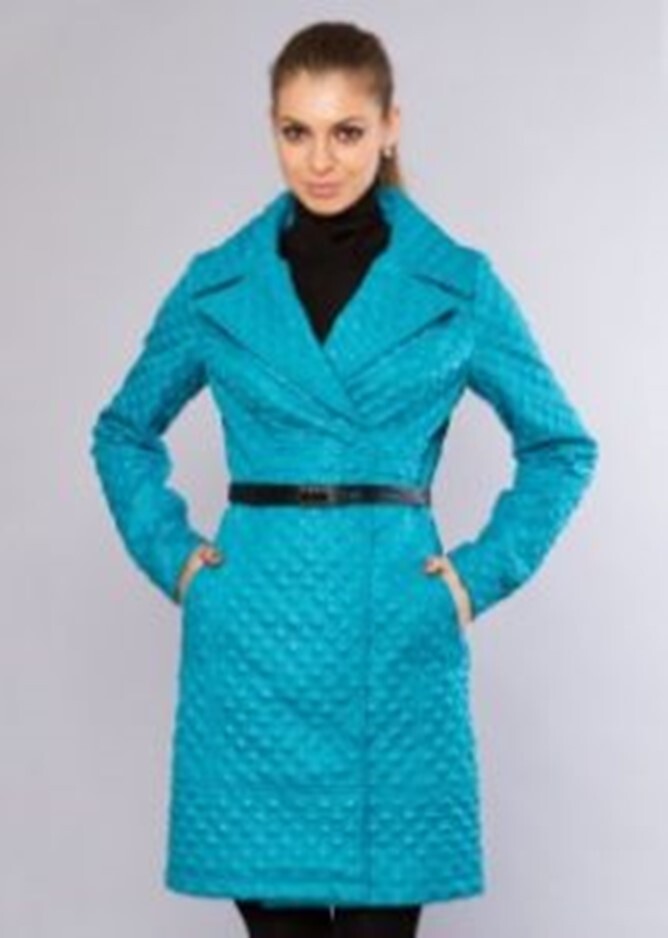 The quilted raincoat is elegant and comfortable
Quilting is a special technology for fabric processing. The canvas is stitched many times, so the threads form patterns – geometric, abstract, floral. Quilting helps to keep the filling in one place and secures the lining. A stitch can be decorative, interval, and local. Quilted fabrics are very warm and dense, and they also look interesting and elegant.
Fleece quilting is called polar fleece. The material was invented in the USA in the second half of the twentieth century. Polar fleece is a modern, technological knit with a soft fleece surface. This is a type of fleece, a non-woven material made from polyester synthetic fibers. A special machine uses hooks to pull fibers and create a fluffy surface. The fleece fabric is then treated to prevent pilling.
The material has the following advantages:
- softness and elasticity;
- antibacterial treatment;
- high water repellency;
- quick drying;
- easy cleaning (dirt does not stick to the surface);
- thermal protection.
Shortcomings:
- the fabric becomes electrified and starts to burn;
- poor quality material pills quickly.
Caring for fleece is easy. The optimal water temperature for washing is 40 degrees. Do not dry clothes in the washing machine or near electrical appliances. The material does not need to be ironed.
Just like polar fleece, smooth fabrics are duplicated with soft woolen knit for insulation, strength, and comfortable use. The composition is most often synthetic. The surface and fleece lining are bonded or quilted. Care is similar to that of polar fleece.
Taslan
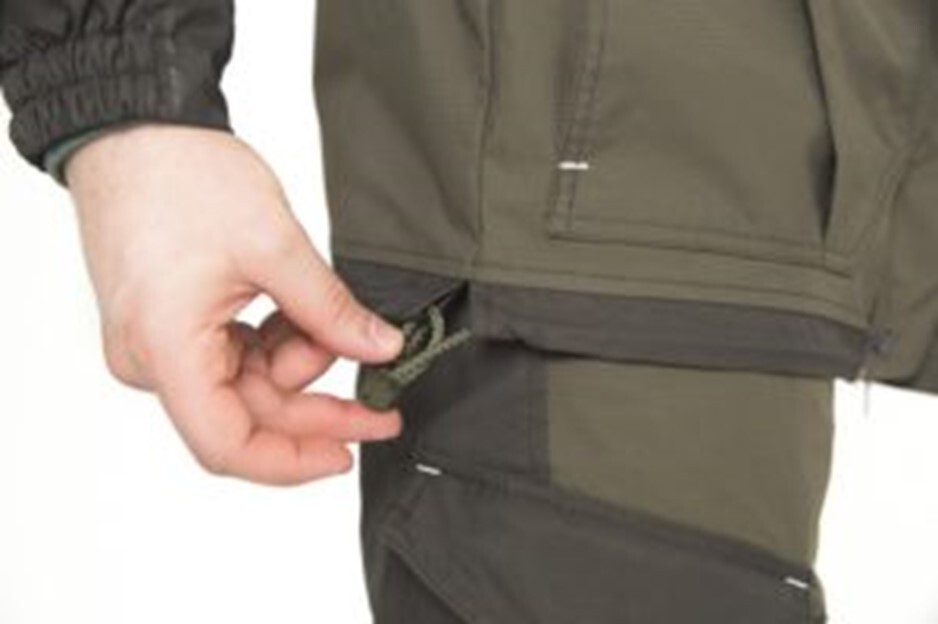
Outerwear made of taslan, khaki color
This material is made from synthetic fibers called polyamide. The base material is a thermoplastic polymer, a substance that becomes viscous and ductile when heated, stretches, and allows the formation of solid fibers.
The taslan weave is ribbed – the surface of the material is covered with small, voluminous ridges. The texture of the fabric is created by the horizontal weft threads remaining straight, while the warp threads bend. This is a double-sided method of fabric production – the front and back look the same.
To increase strength, the fabric is impregnated with protective substances, reinforcing fibers and fishing line are woven in, meaning it is reinforced.
Advantages of the material:
- resistance to pollution;
- tear resistance;
- taslan does not fade in the sun;
- waterproof, quick-drying.
The fabric has no significant disadvantages and handles its protective duties well. Caring for taslan requires gentleness. The material is washed with liquid detergents, not bleached or dry cleaned. The fabric dries very quickly. Can be washed by hand or in a washing machine. The material does not need to be ironed. If such a need arises, the iron does not heat above 150 degrees.
Twill
In appearance, twill resembles satin. Twisted threads are combined into fabric using a twill weave – the warp often appears on the face of the material, bending around three or more weft threads. Due to the peculiarity of the weaving, a diagonal pattern of the fabric is created. Twill is made from silk and wool, with the addition of cotton and synthetic polyester.
Among the advantages of the fabric are:
- shape stable;
- color retention – twill does not fade, lose color, or lighten after washing;
- dries quickly, easy to maintain;
- the material is safe and does not cause skin irritation or allergic reactions.
Twill is used to make overalls, trousers, special work clothes, bed linen, and of course raincoats.
The fabric is washed in lukewarm water (40 degrees). The conditioner significantly softens the twill, brightens the color, and is therefore recommended for use. The raincoat should not be dried in the sun. Iron if needed in a semi-damp state.
The demands on modern raincoats are high. The material should be aesthetic, waterproof, yet lightweight and breathable. The raincoat should retain heat, resist wrinkling, withstand wear, not fade, and be tear-resistant.
Synthetic and blended fabrics (with varying percentages of chemical fibers) usually do not absorb dirt, dry quickly, and do not require special care. You should read the information on the product label – the manufacturer provides all the necessary information there.
In addition to the direct production of raincoats, the fabric is used for sewing jackets and coats, everyday and work overalls, skirts and trousers, suits, and children's clothing. The material is selected based on preferences, financial capabilities, and the weather conditions for which the item is intended.
/logo_placeholder.svg)
/search_thin.svg)
/user.svg)
/cart.svg)
/benefit_tag.svg)
/benefit_truck.svg)
/benefit_phone.svg)
/benefit_box.svg)