Codura Fabric - What Is It
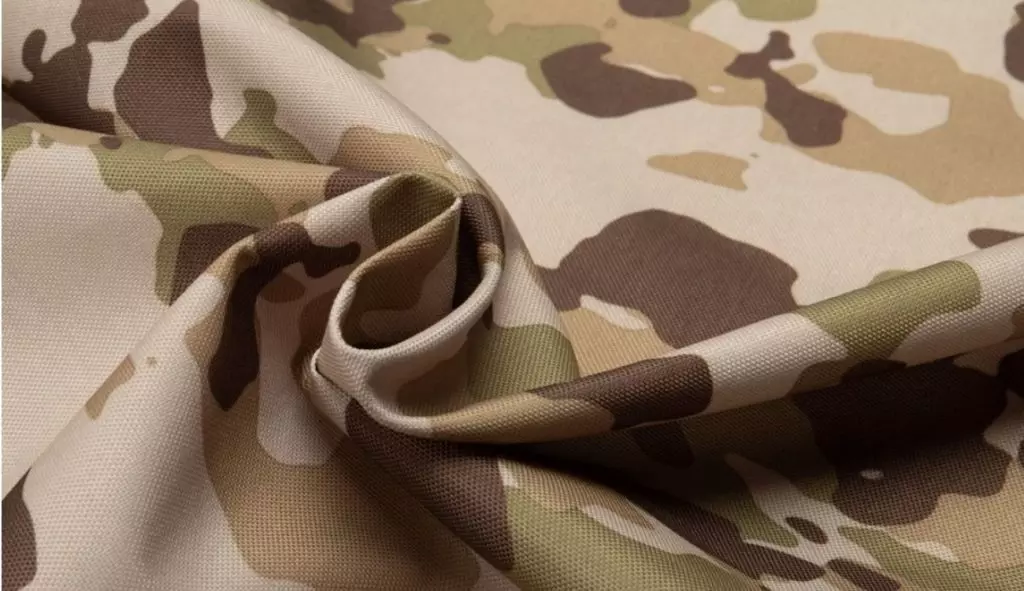
Almost everyone involved in professional sports or hiking has purchased items made from this unique material. High-tech, dense, and almost waterproof fabric cordura is made from nylon threads. To the touch, it is quite dense, but not rough. Originally, it was intended for the production of bulletproof vests and other military uniforms, but over time it began to be used everywhere. It is a reliable, solid material that is resistant to mechanical damage, does not let moisture through, and retains heat well. Manufacturers today produce various camping equipment, workwear and uniforms, parts of footwear, furniture upholstery, and even use it as roofing material.
Content
History and Production
Description
Properties
Types
Advantages and Disadvantages
Fabric Application
Analogy
Care
History and Production
Amazing fact: Codura fabric appeared completely by accident.At the beginning of the 20th century, the DuPont company was developing various textile materials. The material owes its appearance to experiments on nylon synthesis conducted by American chemist Carother. In one of the experiments, new fibers appeared when only three components were combined: coal tar, water, and ethyl alcohol. Fabrics woven from such threads stretched well, were durable, and resisted the effects of various chemicals. The resulting fibers were decided to be named after the first letters of the city where they were first created: NYlon (New York), nylon.
Initially, however, the unique material was used solely for military purposes and was not widely available.
Then it took a few more years for the composition to improve, and eventually modern Codura emerged. It is much denser and stronger than regular nylon, even though it is made from the same polymers. The fabric is resistant to high temperatures and aggressive substances, it practically does not tear or wear out. After improving the material properties and patenting the production technology and composition, the trademark owner granted a license to manufacture Cordura to the INVISTA corporation, a well-known modern producer of various polymer fibers.
The first samples of the material appeared in 1929.
In the years 1966-67, Nylon66 fibers began to be used in technology, and from 1977, manufacturers adopted the production of colored samples. In 1980, mixed types with cotton in their composition appeared. In the same period, the company introduced Codura Plus 500 and 1000 Denier fabric, intended for tailoring.
The Codura brand has gained worldwide fame and, due to its high resistance to wear, has found applications in many areas.
Today, high-tech and durable fabric has many analogs, and not always of high quality. The material has proven to be excellent, so counterfeits often occur. The genuine Codura is sold at quite high prices, it is waterproof, dense, yet soft and pleasant to the touch.
Description
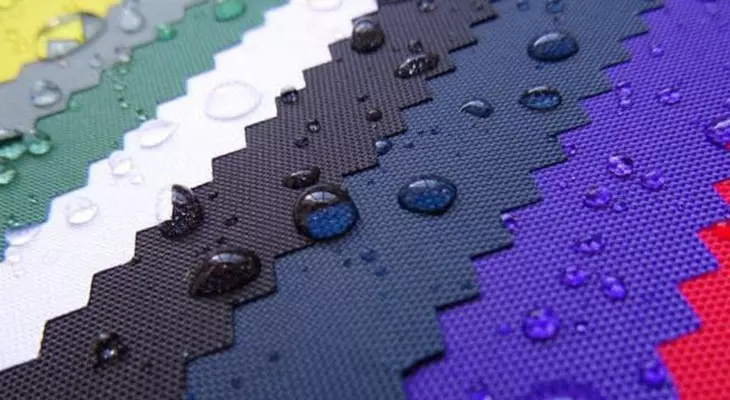
Codura is a dense nylon fabric with a smooth surface that is water-repellent, lightweight, and flexible.
The material is dirt-resistant and low-maintenance. In appearance, the structure resembles an intertwining of thick cords.
The textile is manufactured using a patented technology by weaving polyamide threads that are cut and braided in a special way. In the final stage, the textiles undergo multi-stage impregnation to achieve water repellency.
The classic look of Cordura is made from nylon (polyamide fiber) by Dupont, characterized by increased strength.
Some manufacturers add up to 10% cotton to the composition. The surface of mixed types of Cordura acquires a slight fuzziness and increases resistance to wear.
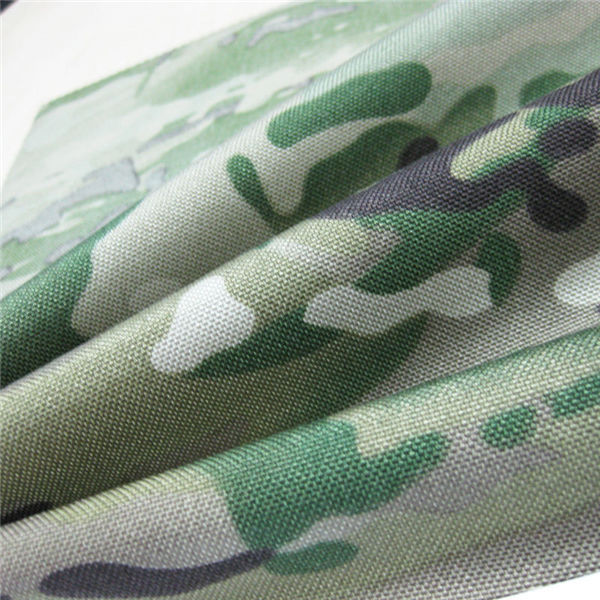
The production technology has given the material 4 times the strength of other polyamide fabrics.
The fabric is resistant to UV radiation, chemicals, and is non-flammable. The high strength of Cordura does not reduce its elasticity. Fabric products hold their shape well.
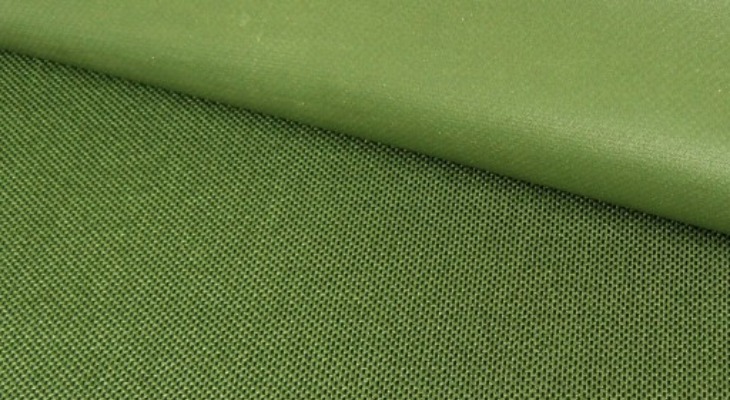
The main feature by which you can easily distinguish genuine Codura from a fake is the characteristic sheen on the front side and the matte finish on the back. Synthetic canvas retains its shape well, practically does not wrinkle, and resists aggressive environments. Manufacturers who pass off a counterfeit as the original material often cover it with a water-repellent film, which quickly separates from the base during operation. True Cordura is water-resistant on its own, without additional layers.
Properties
The technical properties of the synthetic fabric Cordura are listed in the table:
| Property | Indicator |
| Type of raw material | Synthetic fiber – polyamide (nylon), some types with an addition of 5–10% cotton |
| Purpose | Technical fabric, jacket fabric |
| Strength, g/square meter | 150, 230, 300, 350 |
| Strength, day (1 day = 0.05 g/450 m.) | 30–1000 |
| Fiber spinning method | Special binding of cut braided polyamide yarns |
| Water repellency | High |
| Hygroscopicity, % | 6–12 |
| Moisture absorption rate | Low |
| Air exchange | Below average |
| Vapor permeability | Optimal |
| Melting point, °C | 210 |
| Front side | Right |
| Standard canvas width, cm. | 150 |
| Charged with electricity | Mild |
| Durability | High |
| Pilling resistance | Missing |
| Wear resistance | Increased |
| Staining method | Solid color smooth fabrics, print (camouflage print) |
| Manufacturers | USA, analogies – China, Korea, Russia |
Types
Among synthetic materials, this fabric is the most variable in terms of density and range. Common types of Cordura:
- Standard — 1000–140 – Т440. The fabric density is 1000d.
- Codura Plus 500–140 – Т440 lower density (500d) while maintaining the properties of the standard sample.
- Plus 300–122 – Т440 is used in combinations.
- Codura Plus Natural. Thanks to the increased cotton content in the composition, it has improved tactile properties and, unlike standard samples, has a higher weight.
- Codura Plus Lycra — fabric with enhanced elasticity.
- ColorLock — distinguishes itself by color fastness.
- Taslan is produced in combination with thermal insulation for the production of garments used in cold weather.
- Supplex is breathable and dries quickly.
- Codura AFT fabric — a group of fabrics with optimal air exchange.
In total, there are 16 types of textiles in the group.
Advantages and Disadvantages
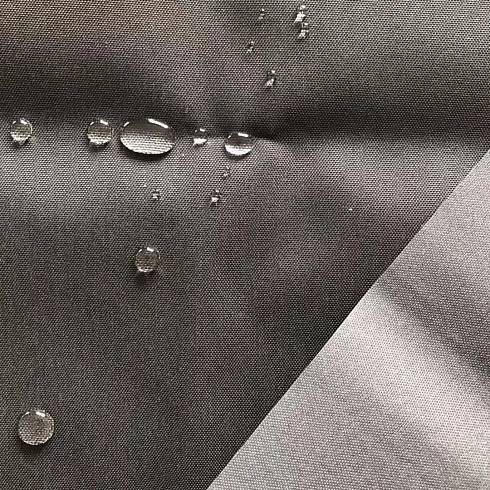
The synthetic fabric does not irritate the skin and shows good vapor permeability. However, in hot weather, clothing made from Cordura is uncomfortable.
The advantages of canvas include the following properties:
- ability to repel dirt;
- water resistance due to special impregnation;
- wear resistance and tensile strength;
- fire resistance (the fabric begins to melt at temperatures above 200 degrees);
- does not conduct electricity, has insulating properties;
- allows air to pass through;
- resistance to high temperatures and UV radiation (does not fade in direct sunlight);
- soft to the touch, pleasant, sufficiently flexible;
- retains its shape in products;
- dyes well;
- durability;
- comfortable for cutting and tailoring (cut edges do not crumble);
- ease of maintenance.
Among the disadvantages of the fabric, the following should be noted:
- the material solidifies at temperatures below -25 °C and becomes very hard;
- the presence of a characteristic murmur during movement (friction), which causes discomfort when worn;
- some types become soaked when exposed to moisture for a long time and then take a long time to dry;
- the price of both the fabric itself and the products made from it is quite high.
Fabric Application
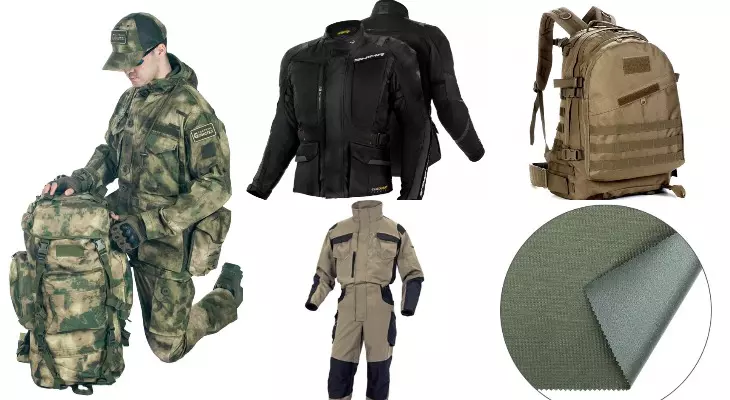
Initially, Codura served the needs of the military.
The strength and wear resistance of the material have allowed it to be used in other areas. Various products are sewn from this fabric:
- military uniforms and accessories (holsters, backpacks, pads for tactical accessories, waterproof tarps and tents);
- overalls for construction workers;
- jackets, raincoats, tents, tarps for fishermen, hunters, tourists;
- warm overalls and jackets made of cordura plus taslan;
- gear for extreme sports;
- bags and backpacks;
- details for car seat decoration;
- upper part of shoes;
- motorcycle gear (pants, motorcycle jackets, jeans and inserts for them, backpacks);
- work suits for special purposes.
Clothing and Footwear
The described fabric is also used for sewing various garments and footwear.
They manufacture combat boots, Magnum sneakers, workwear, pants, jackets, camouflage clothing, windbreakers, and Cordura suits. Adidas and other well-known manufacturers often use this material for their products. In addition, the material is used to make winter or mid-season shoes, belts, and various elements of hiking, sports, or military gear. Tropical shoes, comfortable tactical jackets, etc. are made from this fabric.
Codura is also used for sewing modern children's clothing: jackets, overalls, waterproof pants, and other items. It is also used in the furniture industry. Upholstery made from such fabric is not only stylish but also durable and strong. Easily and quickly cleans from any contamination.
The fabric is printed using sublimation. Codura is combined with tarpaulin, strong canvas, leather, and suede.
Analogy
The popularity of the Codura brand predetermined attempts by textile workers to create a material that is not inferior in strength and basic properties. Analogy of Cordura are worse in density:
- Oxford. A similar type of fiber interweaving is used in the technology of producing polyamide fabric. Material with a smooth glossy surface, without nap. The density of Oxford fabric ranges from 210d to 600d. Durable canvas among various types of textiles is a fabric made from strong threads (900d). The water resistance of some samples is achieved by applying a polyurethane impregnation (coating layer);
- Affordable Korean equivalent – kodra. It is used for sewing backpacks, inventory, and sports bags.It is weaker in strength and density than the American brand.
- Maksped is an analogue that most closely resembles the original with a strong PU covering layer.
Important! The original Codura fabric has a slight roughness on the reverse side and a slight sheen on the front side. Does not wrinkle, holds its shape. The products from it are complemented with a brand label. Codura cannot be cheap and is not sold at retail.
Care
It is difficult to stain a Codura product: the fabric repels dirt. You can clean it with a damp cloth. If necessary, different types of washing are acceptable: by hand or in a washing machine.
It is recommended to wash with water at room temperature. Do not use chlorine-based bleaches as laundry detergents.
Spinning is not recommended.
In exceptional cases, such as washing bulky items, the machine method is allowed at low drum speeds.
Products should be dried laid out on a horizontal surface away from the heater. Direct exposure to sunlight is undesirable.
Products made from Cordura hold their shape and are resistant to deformation.
No ironing needed.
The material is solid, comfortable, and durable.
When used correctly, it will serve for years without changing design or shape.
/logo_placeholder.svg)
/search_thin.svg)
/user.svg)
/cart.svg)
/benefit_tag.svg)
/benefit_truck.svg)
/benefit_phone.svg)
/benefit_box.svg)