When purchasing upholstered furniture, I rely on its faithful service for at least several years. However, it often happens that the sofa does not "survive" this period. And it is not about the failure of the transformation mechanism or issues with the integrity of the frame, but the reason is the loss of attractiveness of the furniture upholstery, which is worn, stained, torn, etc.
It goes without saying that to avoid such difficulties, it is necessary to first choose the right upholstery fabric that matches the conditions of your home (there are children, pets, etc.).). An article on our website "Types of Furniture Fabrics, Their Properties" can help with that. But that's not all. After purchase, sofa upholstery requires proper care, and each fabric has its own specific needs because they are made in different ways and have individual characteristics.
With proper care, the upholstery fabric of your chair/sofa will delight you for a long time with its "new" and attractive appearance.
So how should you care for upholstery fabrics?
General Recommendations
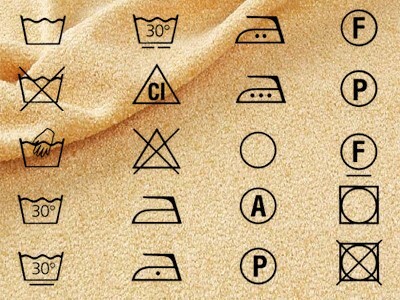
Instant Cleaning
It is always better to immediately remove various impurities from the upholstery of the sofa so that the fabrics cannot absorb destructive substances. First, you need to use dry cleaning with a dry brush/sponge or a vacuum cleaner. The brush is particularly suitable for woolen fabrics (such as flock), but it is better not to use it on leatherette – a sponge will be the best option.
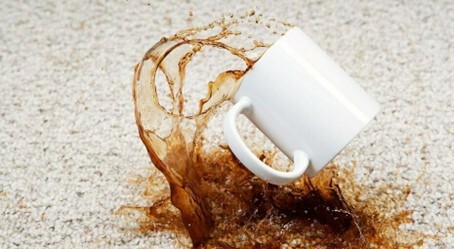
Spilled Coffee
- Thoroughly blot the coffee stain with a paper towel, towel, or clean cloth.
- Moistened (not wet!) with a textile cloth or microfiber cloth with a few drops of neutral liquid soap, gently rub the stain to create foam. Please wait 3-5 minutes.
- Use a clean damp cloth to remove any remaining soap solution. Check for coffee stains on the upholstery. If so, repeat the foam treatment several more times until the stain is completely removed.
IMPORTANT! If the stain has been completely removed, dry the wet area of the upholstery with a hairdryer. This prevents moisture from penetrating deeply inside, the development of fungi and mold, and the emergence of musty odors.
Preliminary Check
Any cleaning agent, whether "homemade" or specialized, should first be tested on inconspicuous parts of the sofa/chair. For example, this is suitable for. back part of the sofa, bottom part of the cover, etc. By the way, it is better to use cleaning agents recommended by the furniture manufacturer – they are the safest for the upholstery fabric, as the manufacturer knows best the properties of the materials they use.
Cleaning «non grata»
To clean any sofa upholstery – both leather and fabric, do not use aggressive cleaning agents: solvents, pure alcohol, etc. They can irreversibly damage upholstery, especially with pearl-finished leather.
We clean, clean, clean!
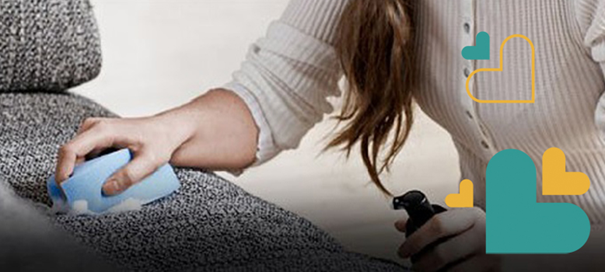
Art Creation – Children in the House
If there are small children in the house, then the walls, doors, and often even the furniture of the apartment are decorated with artistic drawings made with markers, ballpoint pens, etc. Children's drawings can be removed using specialized tools, e.g. example: Ink Remover (suitable for leather and similar coatings); BIO Almawin, Dr. Beckmann, Arben (practically all furniture fabrics) etc.

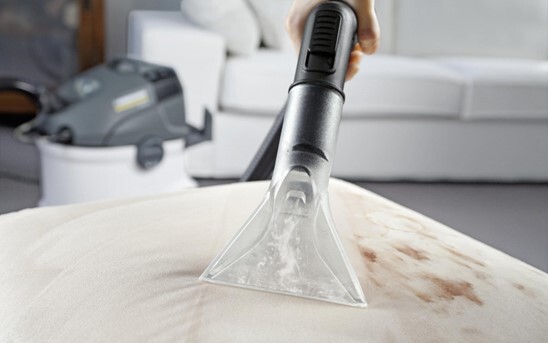
Light Upholstery
Upholstery fabrics in light colors require more frequent cleaning. Is it better to use a washing vacuum cleaner or a damp sponge? In this case, stains must be removed immediately, as light materials have difficulty "parting with" old stains.
Steaming
To lift pet hair from flock upholstery or to remove shipping creases on the backs/seats of sofas, steaming with a steam iron or handheld steamer can help.
These were the basic rules for caring for upholstery fabrics of all materials. Now we will go a little deeper, considering the care properties of the most popular furniture materials.
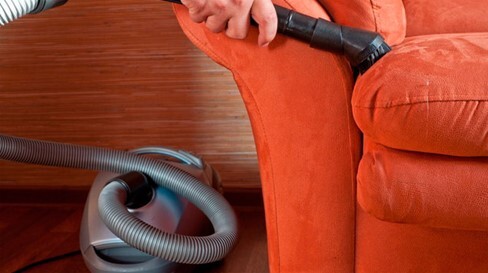
Velour (Velluto, Infinity)
Velour upholstery is elastic and can withstand heavy use, it wears down slowly, so with proper care, it will serve the owners for more than one year. It is resistant to fading, especially if synthetic fibers predominate in the composition, it is antistatic and captures much less dust than other pile fabrics. Despite all its advantages, furniture velour is still susceptible to greasy stains, dirt, and pet hair. If there are animals in the house, you must monitor the cover particularly carefully.
As already emphasized above, the main threat to velour is grease and dirt. If it was not possible to prevent the stain from forming, do not attempt to scrape it off. You can ruin the appearance of the upholstery forever. The stain must first be soaked with a cleaning agent and only then gently rubbed strictly in the direction of the nap. You can use soapy water or baking soda as a solvent, which is applied to the contaminated area for several hours. If the dirt is difficult to remove, a ten percent alcohol solution comes to the rescue. You should not try to remove stains with household chemicals, as bleaches and caustic alkalis in their composition can also easily destroy the fiber.
It is worth cleaning velour of pet hair in a timely manner with a soft brush or vacuum cleaner, then cleaning will not take much time and effort. Use a special roller for hard-to-reach areas.
In case of dust, a vacuum cleaner or steamer will suffice. It not only removes debris but also refreshes the upholstery and prevents the accumulation of microbes in the hair structure. Steam cleaning several times a year will suffice.
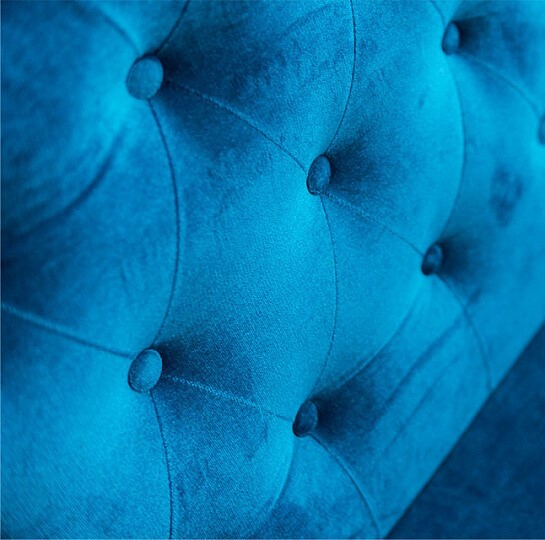
Flock
Flock is a soft woolen fabric that does not like wet cleaning. If you soak flock upholstery, its fibers will "stick together." Care for such material should therefore include dry cleaning with a vacuum cleaner equipped with a soft brush attachment. Various stains on flock upholstery (tea/coffee, grease, ketchup) can be removed with soapy water (a mild solution) and then dried with a dry cloth. Sticky flock hair or dried spots cannot be scratched. It is also not recommended to bleach and squeeze flock, to use petroleum-based solvents and strong chemicals for cleaning.
Regular cleaning of flock should include cleaning with a soft brush/sponge or vacuum cleaner, then this upholstery fabric will delight you with its softness and beautiful silky sheen for a long time.
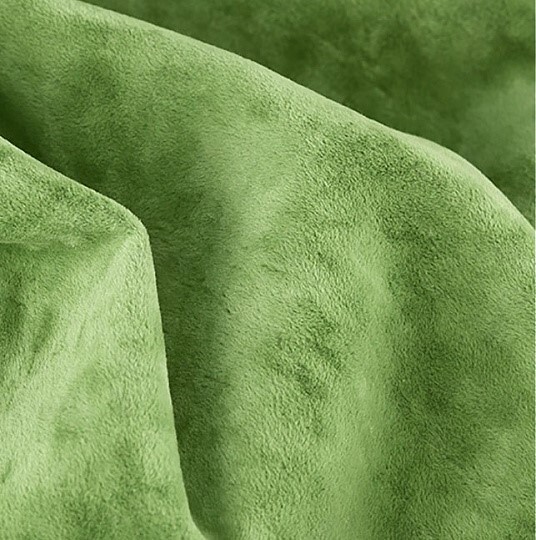
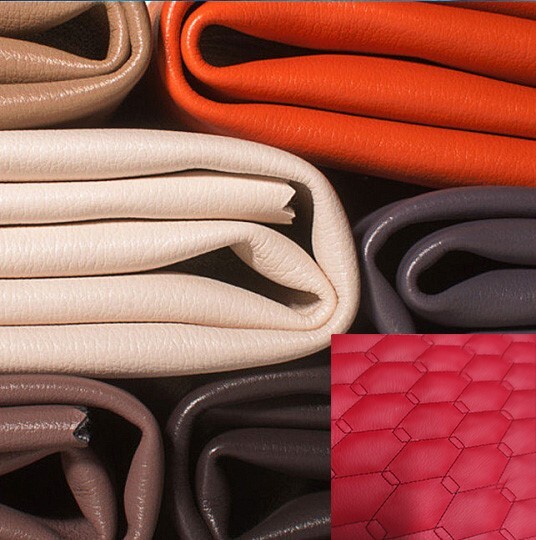
Leatherette (Standard, Soft, Quilted Eco Leather)
Leatherette upholstery easily absorbs liquids, so it is better to immediately wipe wet areas with a flannel cloth. Routine cleaning of such furniture material involves the use of special wipes.
Stains from faux leather can be removed by treating with a soft cloth and a solution of neutral detergent or a cloth moistened with a 50% water-alcohol solution. After this procedure, the artificial leather should be wiped with a material soaked in clean water and then dried thoroughly.
Food stains on faux leather can be removed quite easily – using a pad with soapy water. Other stains on such upholstery require the use of specialized cleaning agents.
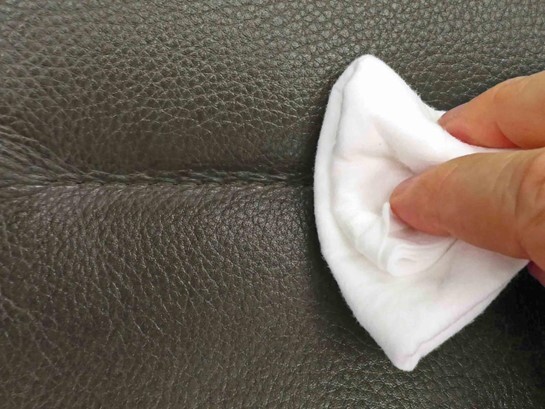
It is worth mentioning that artificial leather does not tolerate the use of a brush (the exception is artificial nubuck) - its surface is damaged by such contact.
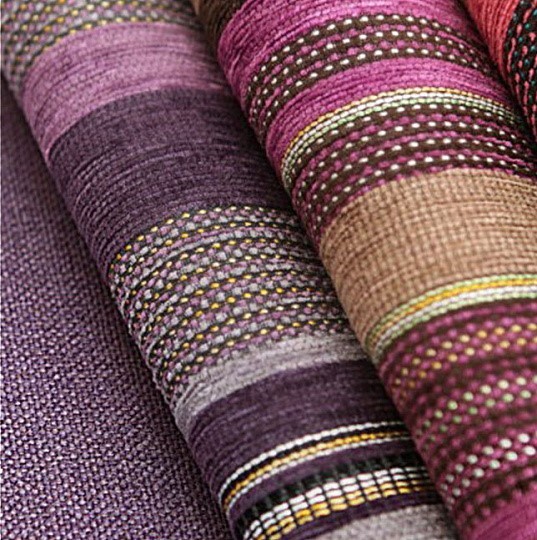
Chenille
Chenille upholstery is quite easy to maintain. Weekly vacuuming with a soft brush attachment is fine for her. Just like when cleaning flock, chenille should not be rubbed or scratched vigorously, as its structure could be damaged.
To remove stains from tea, ketchup, chocolate, and ballpoint pens, it is sufficient to use special water-based cleaners.
It is necessary to immediately remove liquids from the surface of chenille upholstery by treating stains with dry wipes (to prevent the fabric from stretching).
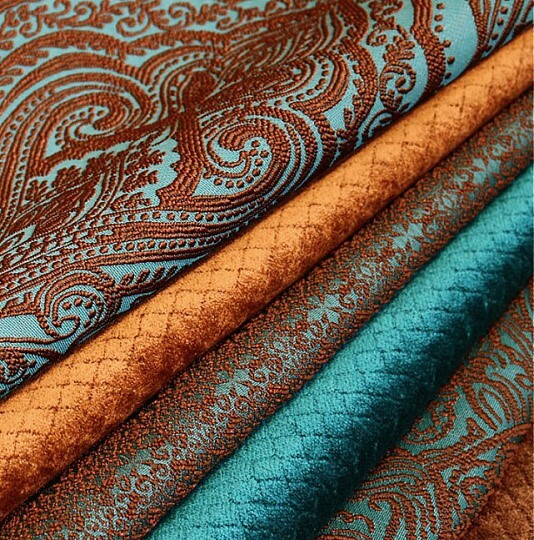
Jacquard
Jacquard upholstery requires regular care with a sponge or vacuum cleaner. If the cover is removable, occasional machine washing/hand washing (water up to 40°C) or special chemical cleaning with hydrocarbon solvents is allowed. The jacquard sofa cover cannot be tumble dried/spun.
For wet cleaning of jacquard upholstery, you can use warm soapy water, which you then lightly dab with a sponge and dry. Strong pollution of such upholstery is eliminated using specialized water-based products. Chlorine-containing powders and bleaches are not suitable for jacquard.
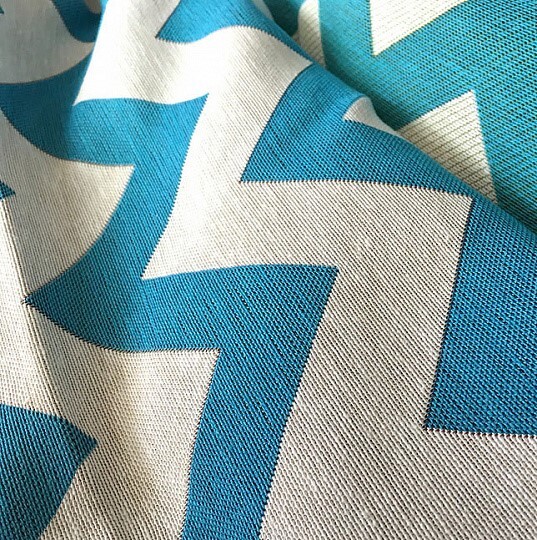
Cotton
Cotton upholstery fabrics are delicate materials, so special attention must be paid to their care.
- Remove stains from cotton fabrics using an aqueous solution of Vanish powder or Nordland microactive foam, which is suitable for cleaning natural fabrics.
- Cotton can shrink when washed, so a small amount of water up to 40°C should be used for cleaning.
- After cleaning, thoroughly wipe the material with a cloth and dry it. Once dry, the cleaned area can be ironed with the iron set to the "Cotton" mode.
Artificial Suede
The delicate surface of artificial suede is very sensitive to hard brushes and aggressive household chemicals. It must be handled carefully and cautiously.
- To refresh suede upholstery from dust, use a sponge or a brush with rubber bristles.
- For stain removal, it is better to use special foams for dry cleaning - Tubo, Nordland, which penetrate deep into the fabric without damaging its structure.
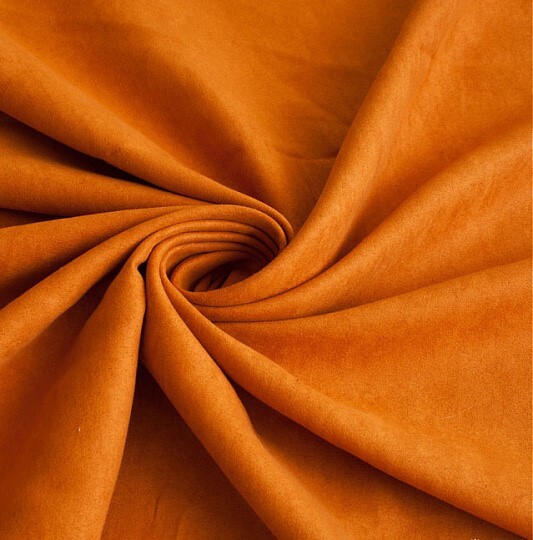
Velvet
Furniture velvet looks elegant and festive. Its soft, silky texture adds a special elegance and comfort to the room. The finest hair fabrics are very delicate and their care should be special.
- Vacuum velvet upholstery only with a soft brush! Dust can be removed with a sponge or a microfiber cloth.
- Dampen dried stains on velvet with a wet cloth and then gently dry with a dry towel.
- To remove fresh stains, a 3-6% solution of ammonia with water is recommended. Residual moisture is removed with a soft cloth.
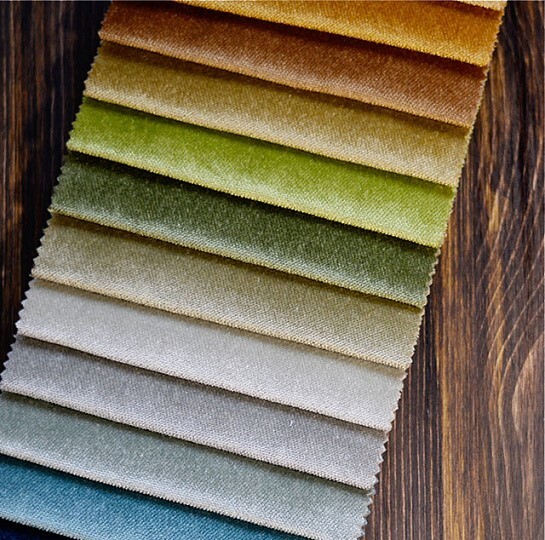
Tapestry
Elite and expensive fabric. A tapestry sofa/chair cannot be soaked because even using clean water on such upholstery leaves stains, and since the fabric contains 20-50% cotton, it shrinks and becomes covered with "wrinkles" after drying. Local stains on tapestry upholstery are best removed with a damp sponge with soapy foam and a minimal amount of water. Oil-based cleaners, bleach, and harsh chemicals should not be used on tapestry.
Regular cleaning of such furniture should include dry cleaning with a vacuum cleaner and a soft brush.
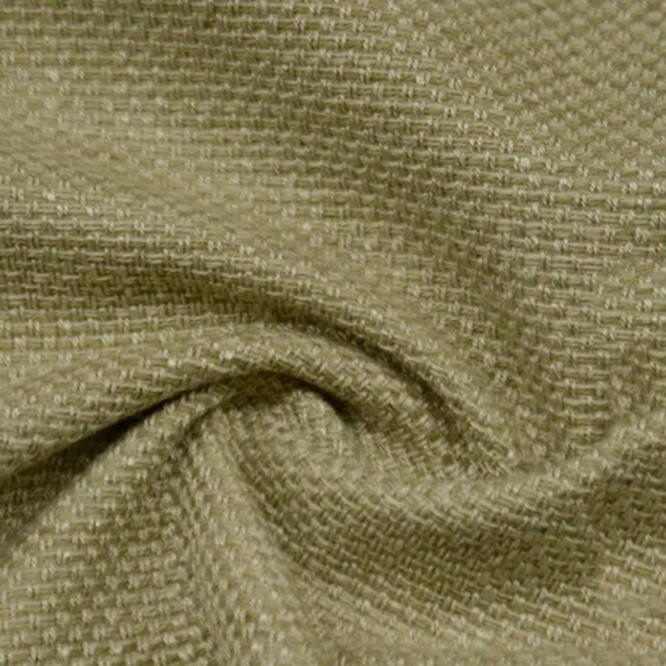
Textured Fabrics – Savana, Nevada, Otto, Amethyst
A modern fabric often used for high-tech furniture upholstery is textured fabric. Upholstery with original checkered weaving looks stylish, and in addition, it is practical and easy to maintain.
- Dust can be easily removed from textured fabric with a vacuum cleaner.
- After cleaning with detergents, the furniture should be dried at room temperature.
- You can remove the stains with any furniture cleaning foam – Tubo, Nordland, or Vanish, Flach shampoos.
- The juice can be cleaned with a mixture of ammonia and table vinegar 1:1. Then wipe the stain with a damp towel and dry.
- The wax is carefully scraped off with a knife without touching the surface of the fabric! The remaining stain is ironed over a soft paper until it completely disappears. In this case, it is necessary to carefully select the temperature to avoid damaging the material.
- Fresh blood stains on furniture fabrics should be washed only with cold water, as hot water will "cook" the stain and later it becomes almost impossible to clean. In some cases, 3% hydrogen peroxide is used to remove contamination. To do this, you need to prepare a mixture of 50 g of starch, 1 tablespoon. a tablespoon of salt and 25 ml of hydrogen peroxide, apply this paste to the stain and let it dry. Then rinse the mixture off with clean cold water. This method is suitable only for plain light fabrics with a dense structure and is not applicable for thin colored upholstery, as hydrogen peroxide can bleach the fabric and even burn through it.
- If upholstered furniture is stained with coffee or chocolate, remove the dirt, treat the remaining stain with soapy water, and then dry the fabric.
- Apply a mixture of table vinegar and water (2 tablespoons per liter of water) to the beer stain and blot the excess liquid with a dry cloth.
- Use a soft cloth or paper towel to remove red wine from upholstery and then sprinkle the stain with salt to absorb the remaining liquid.
- For spilled white wine, it is better to apply methyl alcohol and water in a ratio of 3 parts water to 1 part alcohol. Then it is necessary to dry the contaminated area and clean it with a mild detergent.
- Cover the gum with ice placed in a bag, and when it freezes, carefully remove it from the fabric using an object with blunt edges. Treat the stain with methyl alcohol and then dry it with a clean cloth.
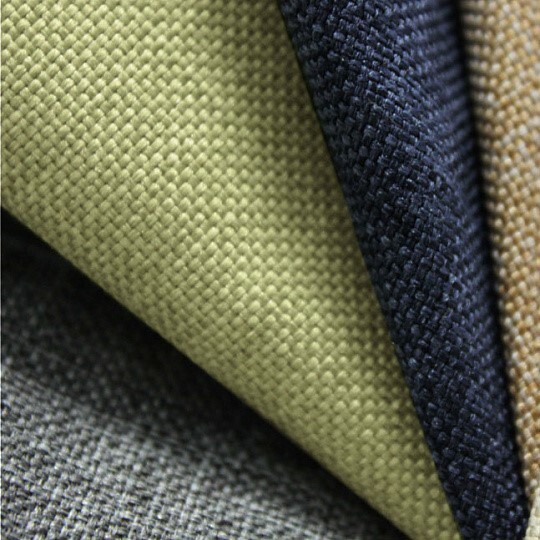
Microfiber
Regular care for microfiber upholstery includes: brushing or sponge cleaning and also vacuuming. If the cover is removable, it can be gently washed by hand or gently in a machine with water temperature not exceeding 40°. Do not bleach or wring microfiber.
To clean such upholstery, a small amount of water (up to 40°C) and mild soap should be used to treat the contaminated area. Then soak the stain with a sponge, dry the surface, and then iron it with a steam iron over a cloth (up to 150°C). Stains on such upholstery cannot be scraped; they need to be removed with a foam rubber sponge and soapy foam, and then wiped with a napkin.
IMPORTANT!
Any furniture covering should not be cleaned with hard brushes and aggressive cleaning agents. This can damage the fabric's structure and cause it to wear out quickly. The optimal approach is to perform special chemical cleaning at home, or to remove minor stains with a soft cloth and ordinary soapy water.
Remember, stains should be cleaned in circular motions from the edges towards the center! If you need to dry furniture quickly, use a hairdryer with a low air temperature, keeping the device at a distance of 20-30 cm from the upholstery. With proper use and careful care, upholstered furniture covered with modern materials will last a long time and delight the owner with its comfort and aesthetic appearance!
/logo_placeholder.svg)
/search_thin.svg)
/user.svg)
/cart.svg)
/benefit_tag.svg)
/benefit_truck.svg)
/benefit_phone.svg)
/benefit_box.svg)