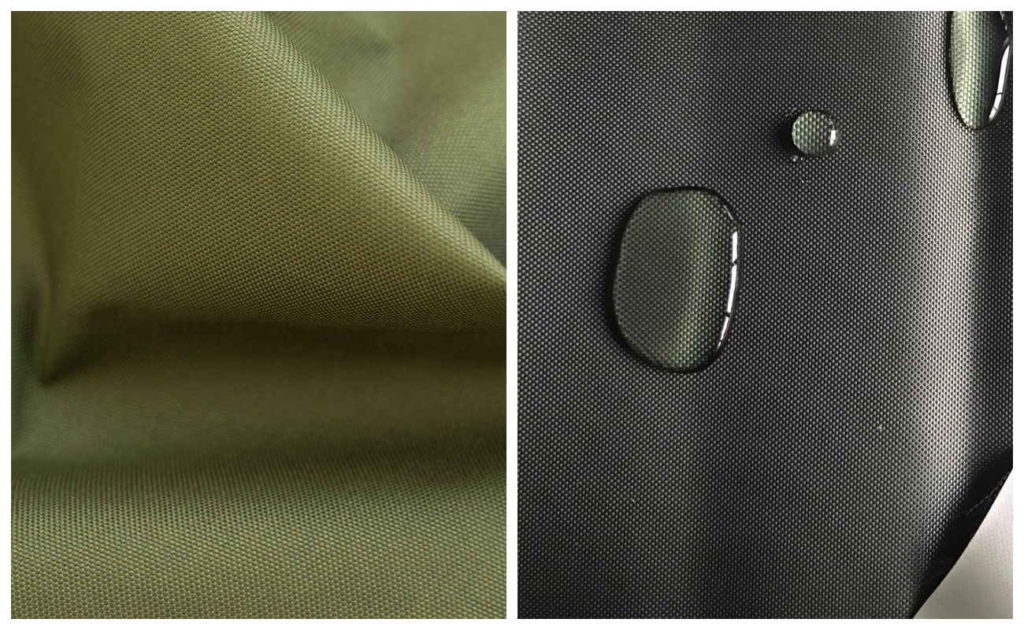
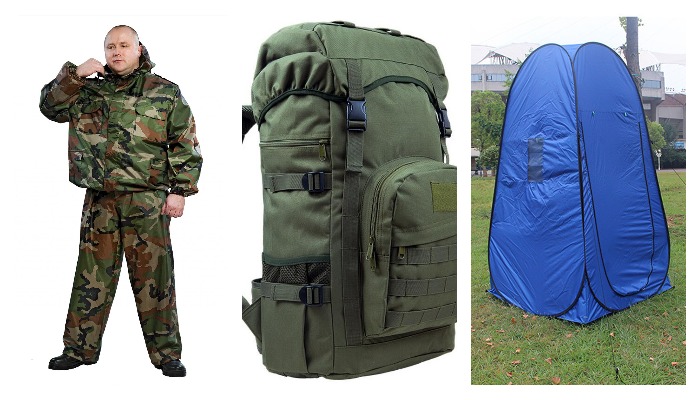
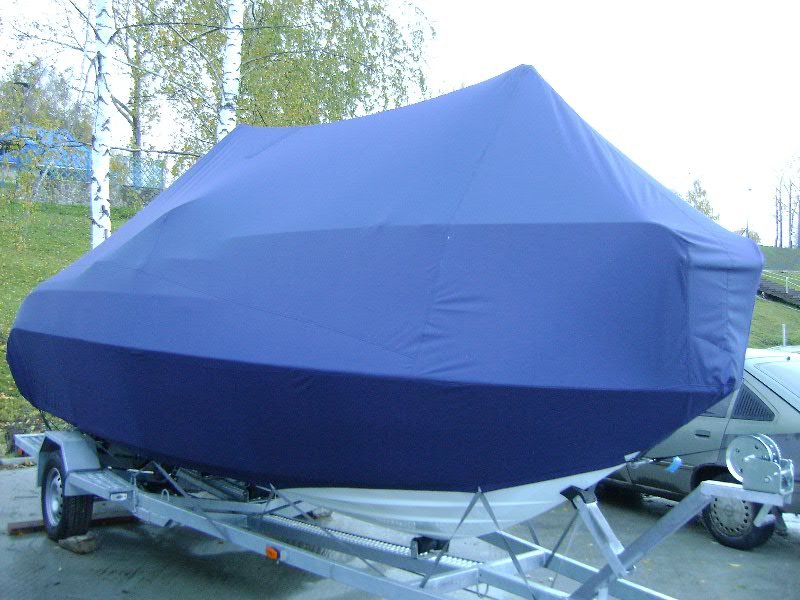
The fabric Oxford is in demand due to its special properties of repelling water and dirt. Oxford was used for sewing sportswear and footwear, equipment for tourists and fishermen. In the production of travel bags and backpacks, tourist and food tents, awnings, covers for cars, boats, and scooters.
Content
A little about the history of its origin. 1
Description and Properties 1
What are the types. 1
Positive Traits 2
What is density and what is it used for. 2
Purpose of the material. 3
Care Rules. 3
A little about the history of its origin
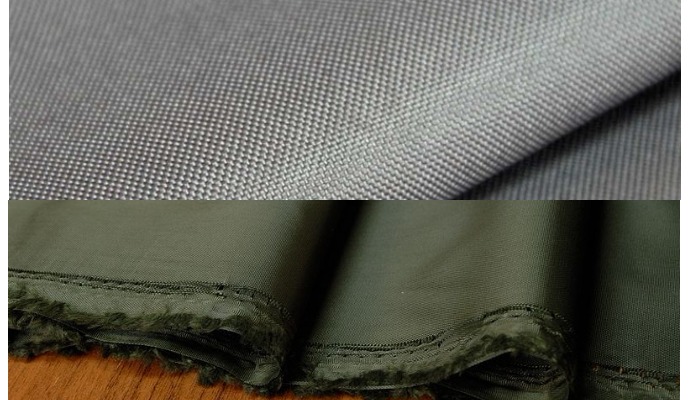
Oxford material is a fabric with a special weave that resembles a wicker basket. The woven pattern "doormat" used in the production is clearly visible in the photograph. This method of weaving began to be used in the 19th. century Scottish weavers. The material was intended for men's shirts, durable and strong.
The comfortable and durable fabric was also favored by students of Oxford University, which is how it got its name. Later, it became popular far beyond the borders of the United Kingdom.
With the development of synthetic fiber production in the 20th century, they began to be added to this fabric, thereby increasing its strength. Thanks to the "basket" weaving technology and synthetic threads, the material does not let water and dirt through, does not wear out, and does not lose its attractive appearance.
Description and Properties
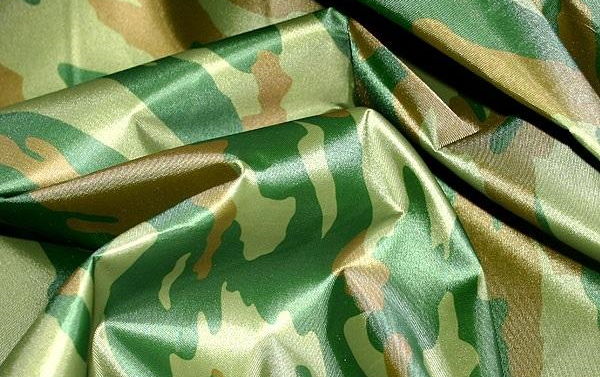
To understand what Oxford fabric is, you need to imagine a material with a homogeneous structure, the same on the outside and inside, and very durable. The canvas is made of polyester threads with a "mat" or "panama" weave, where the warp and weft threads form squares creating a kind of checkerboard pattern on the canvas. Woven weaving has become a hallmark of Oxford, which, along with the composition of the fibers, provides performance characteristics.
According to test results, different types of Oxford withstand a tear strength of 80-160 kgf in the warp direction and 45-120 kgf in the weft, with the standard being considered at least 50 kgf and min.
30 kgf, respectively. The water resistance of the fabric is 450, 800, 1000, and 3000 mm of water column depending on the type of impregnation. Frost resistance of Oxford up to -60 °C.
The color range of Oxford material is limited in diversity, which is related to its range of use.
The traditional design is blue, khaki, green, gray, and black. And also striped, white and blue, white and green, white and cornflower blue. Less common tones are yellow, white, orange, and red. The popular Oxford 600D fabric is produced with a camouflage print. There are bright colors, and even neon ones. For reflectors on workwear, a material with a luminescent coating is produced.
What are the types
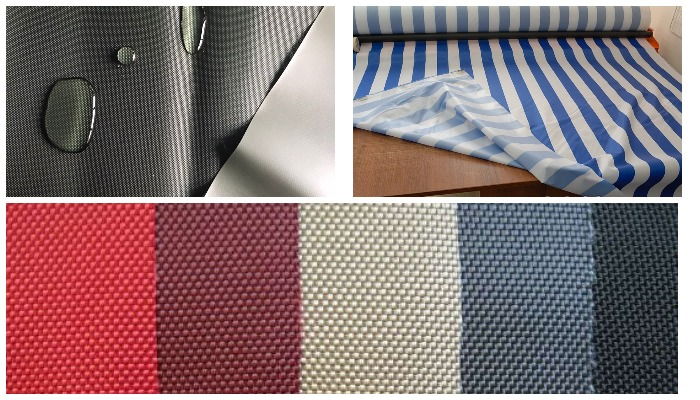
The Oxford fabric is synthetic. Manufactured in two types:
- nylon
- polyester
Both are flexible, strong, and durable.
Wind-resistant, water and dirt-resistant. They are affordable and easy to maintain.
The properties of nylon material include high strength, elasticity, and resistance to mechanical and chemical damage. However, such fabric does not withstand exposure to high temperatures, is sensitive to light, and quickly accumulates static electricity.
Polyester material is not as durable as nylon, but it has other advantages.
It is resistant to high temperatures and sunlight, and is not afraid of contact with chemicals.
Depending on the application, Oxford is divided into:
- for raincoats and custom tailoring;
- for bags and backpacks;
- touristic;
- for hunting and fishing;
- for blinds, tarps, and tents;
- technical, for printing and advertising.
The fabric Pinpoint is on sale, in which 6 or more threads are combined in the connection of mats. And also Royal Oxford from high-quality yarn.
Positive Traits
The water-repellent Oxford fabric has gained wide and diverse use for properties that others do not have:
- Increased resistance to abrasion, tearing, and creasing.
- Light and pleasant, silky texture.
- Waterproof and dirt-resistant.
- Wear resistance and thermal resistance, withstands from -50 to +110 °C.
- Resistance to organic solvents.
- Durable coloring is preserved after washing and exposure to sunlight.
- Diverse assortment.
- Long operation.
- Requires no special care and is easy to clean.
- Affordable price.
Such a popular fabric has its disadvantages:
- The protective layer and synthetic composition create a greenhouse effect, making the material unsuitable for long-term wear and active use.
- When moving, the fabric rustles and the sound intensifies in the frost. For this reason, the material is often used for hunting purposes.
- Fabric with added elastic nylon easily burns through with sparks, and canvas with polyester is fire-resistant but not as durable.
What is the usual density and what is it used for
Oxford fabric is produced in various densities, which is reflected in the labeling. The material is marked with the amount of DEN ("Denier"). The density characteristic is denoted by the letter D and a numerical parameter. A higher value indicates a higher density, which is achieved by increasing the thickness of the threads used. In addition, the type of canvas impregnation is specified. It is applied from the inside. Polyurethane impregnation provides a colorless coating that protects against water and wind and also makes the fabric resistant to organic solvents. Tensile strength increases 1.5 to 3 times. In the case of using a polyurethane composition, the label PU is applied, for polyvinyl chloride – PVC.
The density of Oxford fabric can range from 150 D to 1800 D.
Labeling options:
Thin fabric with low density.
Holds its shape well and rasps well. Designed for tailoring and light raincoats, jackets, and small covers. All products are waterproof.
Denser and the most common fabric used for travel accessories, equipment for fishermen and hunters. It is used to make work clothes and uniforms for the authorities of power structures. It is used in footwear and haberdashery production, for life jackets, waterproof raincoats and covers, hats.
The polyester fabric is highly durable and impregnated with a polyurethane composition. It is used for backpacks, tents, travel accessories, equipment for fishermen and hunters. Things from it protect well against moisture and dust, and are not afraid of sunlight.
Hybrid type of material impregnated with PVC and polyurethane.
Field of use – footwear and haberdashery production, fishing and tourist supplies.
Quite a durable fabric impregnated with polyurethane and PVC.
It is used to make uniforms for power and official organizations, clothing for fishermen and hunters, products for tourists, shoes, and backpacks.
A combined, waterproof material with two types of impregnation is designed for awnings, tents, and shelters. It is used to make camping equipment, folding furniture for picnics, and hammocks. Requires in the production of footwear and travel bags.
- Oxford with a density of up to 1500D
Bags, car awnings, covers for heavy objects are made from highly durable and stiff fabric.
The densest type of fabric for special purposes. It is very heavy (400 g/m2) and stiff. It is used for the production of awnings and is custom-made.
Purpose of the Material
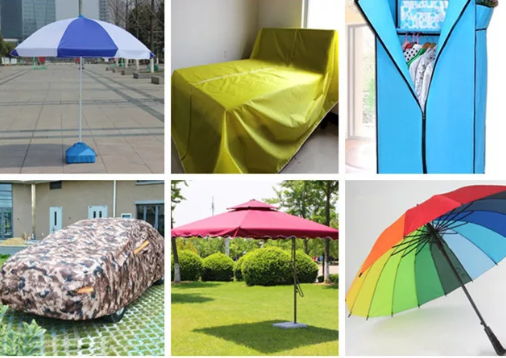
Oxford fabric has found applications in all areas of the light industry.
The main importance in the production of various products lies in the density and coating. The material is often used for outerwear and uniforms: jackets, coveralls, trousers, vests. Oxford is used for sewing sports and outdoor clothing, fishing and hunting products, protective covers. Produces tents, awnings, lightweight furniture, sleeping bags, and strollers.
A separate category of canvas is used in the advertising field for banners and posters.
Care Instructions
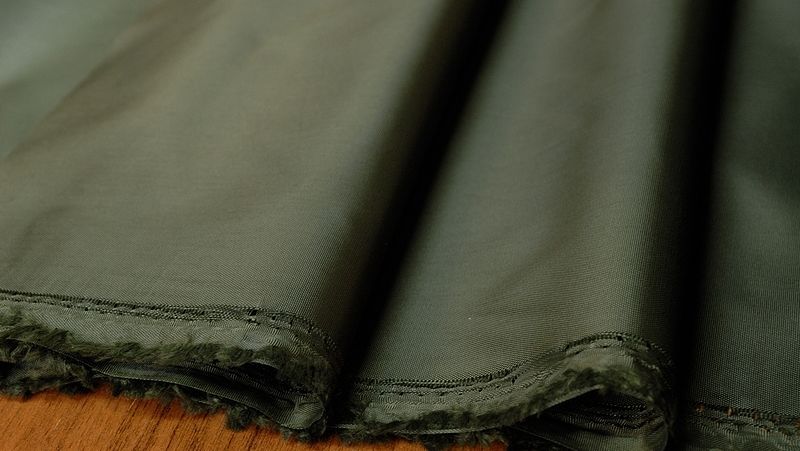
Proper care will help extend the lifespan of Oxford.
- Products can be washed by hand and in a washing machine at a temperature not exceeding +40 °C.
- More appropriately use liquid detergents.
- Spinning and rinsing are as usual.
- You can tumble dry at temperatures up to 40 °C, although the fabric dries quickly anyway.
- Perform regular chemical cleaning.
- Bleaching is prohibited.
- Ironing the fabric is available in the "Synthetics" mode with the iron heating up to 110 °C.
- Store products in places protected from direct sunlight.
- To remove stains, use products for blended fabrics.
The material is easy to sew, and any damage can be stitched or patched.
/logo_placeholder.svg)
/search_thin.svg)
/user.svg)
/cart.svg)
/benefit_tag.svg)
/benefit_truck.svg)
/benefit_phone.svg)
/benefit_box.svg)