Soft furry velour is a suitable alternative to luxurious velvet for interiors and clothing
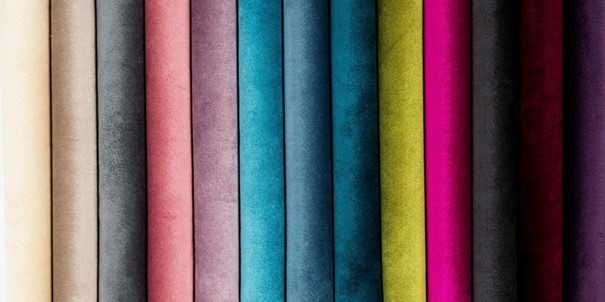
Velour is a large group of furry fabrics that are connected by a common name and common distinguishing features. It is primarily a thick short hair on the front side of the canvas. Dense, soft, elastic fabric with a velvety surface that sparkles in the light looks great in clothing, upholstery, and home textiles. Let's take a closer look at what velour fabric is, and let's talk about its types, properties, and care nuances.

Content
- History of Origin.
- How velour is made.
2.1. Double-layer fabric.
2.2. Single-layer fabric.
- Characteristics, Advantages, and Disadvantages of Velour Fabric.
- Types of Velour.
4.2. According to the method of thread weaving.
4.3. According to the location of the hair and external characteristics.
4.4. According to the staining method
4.5. By Area of Use
- Difference from other substances.
5.1. What is the difference between velour and velvet.
5.2. How to distinguish velour from suede.
5.3.What is the difference between velour and corduroy.
5.4. Which is better – velour or polyester.
- How to distinguish natural velour from artificial.
- How to care for velour.
- How to Stretch Velour.
- History of Origin
Modern velour fabric has a long history. And there are many versions about her origin. Most of them are limited to the fact that the predecessor of velour is velvet. If its name is translated from French, it sounds like "velours". Both of these materials are indeed very similar in terms of technological and aesthetic properties: both are characterized by the softness of the fabric, a woolly surface, and a warming effect. They are partially connected by a shared history.
The roots of the substance's name can be traced back to the Latin language.
In translation from Latin, "velur" means "hairy, shaggy". And to a certain extent, it reflects the texture of the canvas.
Velour fabric, as a cheaper and more accessible version of velvet, first appeared in the East, where they knew a lot about refined things and appreciated luxury. Although initially, velvet was made from silk. The material remained expensive. Only wealthy and courtly noble ladies could have luxurious dresses made.
Images of artists from that time, depicting ladies in luxurious velvet suits, confirm the popularity and status of this fabric.
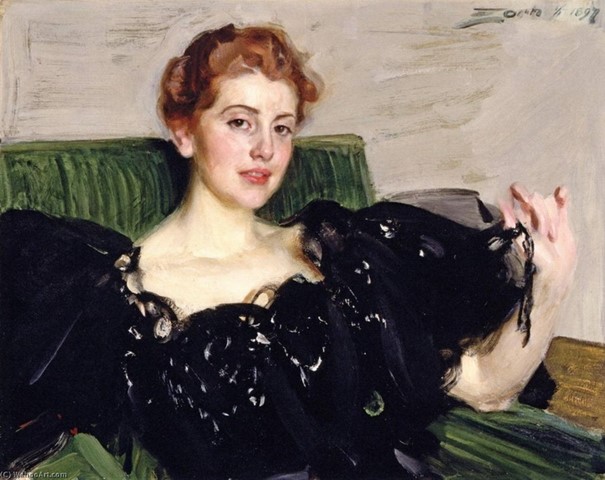
Mrs. Lucy Turner Joy, portrait by Swedish artist Anders Zorn, 1897
Soon everyone began to wonder what kind of material velour is and what it is made of. After some time, the beautiful and unattainable fabric made its way to Europe, then to Russia.
Gradually, the fabric changed somewhat: silver or gold threads were woven into the canvas, "fastened" with an expensive ribbon, the pile was thinned or dyed in various colors, and drawings were applied

The technology for obtaining velour material has been somewhat modified. The hairs that form the finest structure of the canvas, unlike velvet, were combed and uncut. This innovation no longer required the same firm binding of warp threads to hold the cut pile of silk as in the production of velvet, significantly reducing the cost of producing velour fabric.
Gradually, textile workers learned how to produce woolen velour, then cotton. On the surface of the canvas, they began carving relief patterns, decorating with ribbon, and later with a printed pattern. The fabric was, of course, no longer as thin and refined as velvet, but it was selling well.
- How velour is made
Natural velour fabric, which appeared a long time ago, is of course very different from modern counterparts. Nevertheless, it is a beautiful, warm, incredibly pleasant material that is not inferior to velvet in many properties, and it remains popular.
Velour is now referred to not as a separate fabric, but as a group of materials whose fibers are interwoven in a special complex way during production. A characteristic feature of such technology, which is called hair technology, is the presence of hair.
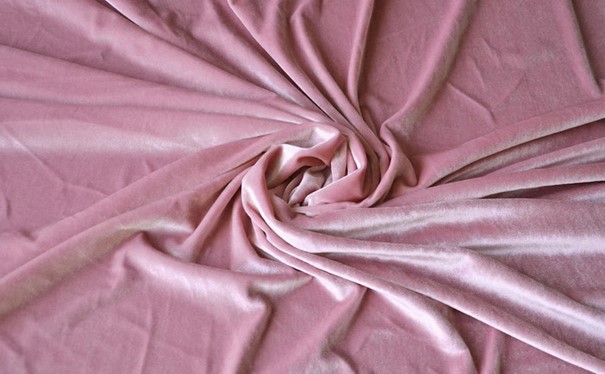
There are two ways to braid hair. According to one of them, it produces half-velvets, corduroys. According to the second, velour fabric is obtained by a complex pile weave method in the form of a double-layer or single-layer fabric. Either in the form of one canvas or directly in the form of two canvases.
Double-layer fabric is made from five threads on a self-threading machine, by interweaving two warp threads and two weft threads. The fifth thread is used to connect the upper and lower layers. Two separate resilient canvases are formed, connected by a hair-like base that zigzags between them, moving from the upper canvas to the lower one and vice versa.
Subsequently, the hair interlayer is cut with a knife.
And they comb the side with hair. One side of the fabric is smooth, the other side is pleasant to the touch and soft.
Hair single-layer fabrics are woven on weaving machines with rods using additional warp threads. Using rods, threads are pulled into loops and fixed. Then the rod is pulled out. If the loops are cut, a material with a cut pile is obtained. If you leave the loops intact – velour with looped pile.
The properties of the fabric obtained in this way are characteristic of all types of velour and allow this material to be qualitatively classified among the highest quality fabrics.
- Characteristics, Advantages, and Disadvantages of Velour Fabric
When choosing velour fabric for clothing and other purposes, it is advisable to study the advantages and disadvantages of this material in advance. Despite the variety of types of velour fabrics, it is possible to identify what is characteristic of all velour fabrics.
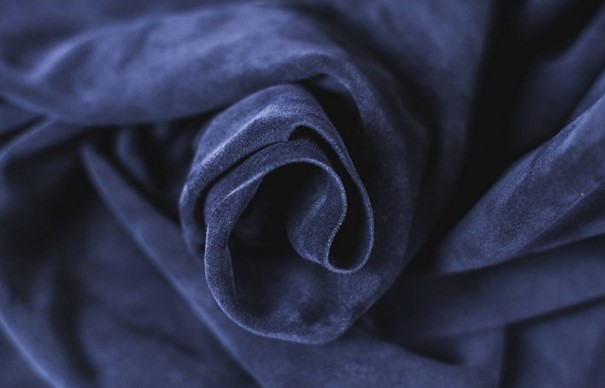
Advantages include:
- strength – fabric created using pile weaves is very resistant to tearing, difficult to rip;
- wear resistance – high density of the material ensures long lifespan;
- practicality and easy maintenance;
- resistance to high mechanical stress;
- hygroscopicity;
- dimensional stability – does not wrinkle, deform, stretch, or shrink;
- does not become electrically charged;
- dense structure of the fabric, yet soft and smooth, equipped with a special weave;
- natural fabric breathes well, does not cause allergies;
- colors retain their original hue for a long time, do not fade;
- heat-saving properties – thick pile retains heat well, velour products are indispensable in cold seasons;
- smooth velvet texture of the fabric is pleasant on the body;
- products made from velour look graceful, expensive, and elegant;
- attractive texture – can be used for decorative purposes;
- relatively inexpensive fabric.
Disadvantages include:
- hair loops often get caught and can be pulled out, and inadequately secured cut hair can eventually come out – this can be attributed to the shortcomings of hair binding;
- hair accumulates dust, attracts small hairs, threads;
- hairs break over time, which spoils the appearance of the product;
- cheap types of velour material stretch and wear out quickly.
- Types of Velour
There are many types of velour on the textile market. They differ in composition, manufacturing and dyeing methods, fiber structure and type of thread binding, pile execution, range of use, and properties.
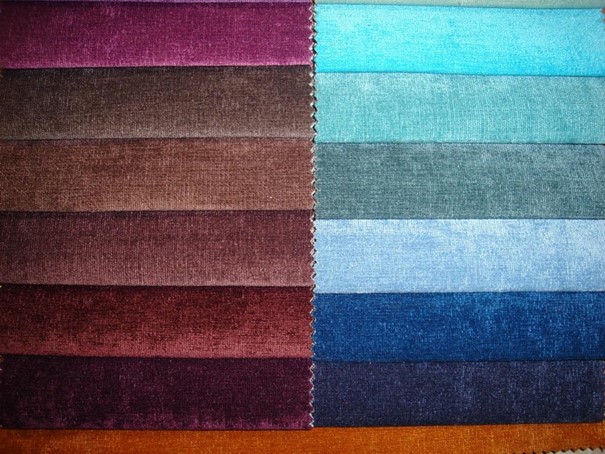
4.1. According to the composition
Initially, velvet fabric was made only from natural silk. Silk threads are no longer used in the production of this material, so expensive raw materials remain for obtaining elite velvet.
In modern velour, not only natural fibers such as cotton, wool, and leather are used as a base, but also artificial threads and synthetics such as polyamide and polyester fibers, lycra, polyester, elastane, and stretch.
Synthetic additives better maintain the shape of the fiber and add shine, increasing the strength, durability, and elasticity of the fabric.
Cotton (velour knit)
Thick and wear-resistant with a soft pile on the front side, the fabric is made from natural cotton threads. In small amounts, there are admixtures of artificial or synthetic threads, most commonly in knitted velour.
Cotton velour is similar in touch and appearance to classic velour, fine corduroy, and dense velvet. For an inexperienced buyer, it is difficult to distinguish by external features between a dense velour knit and a velour fabric with good elasticity.
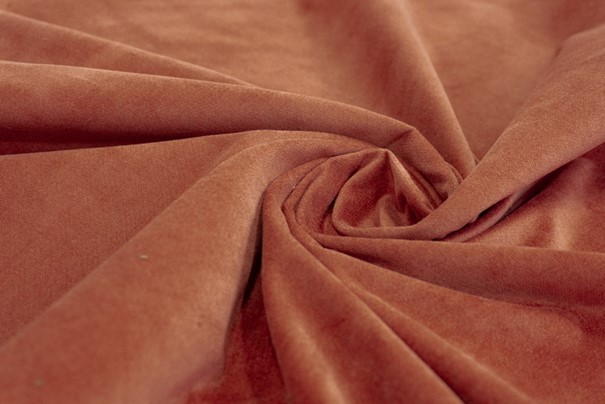
The material is elastic and soft, beautifully draping, breathable, hygroscopic, and safe for irritated and sensitive skin, does not require ironing.
Wool Velour
Smooth, soft, warm material with dense short pile is obtained from blended or pure wool. Worsted yarn is not combed with carders, which gives the material a pleasant softness to the body, fluffiness of the nap, and the ability to keep warm well.
Synthetic Velour
The composition of this fabric almost always includes synthetic fibers such as polyester, lycra, elastane. Among the varieties of velour fabrics, it is the cheapest material. The artificial fibers contained in its composition give the material greater strength and flexibility. At the same time, like any synthetic material, it charges a lot with electricity and accumulates dust in dense fibers. Shoes and car seat covers are made from synthetic velour.
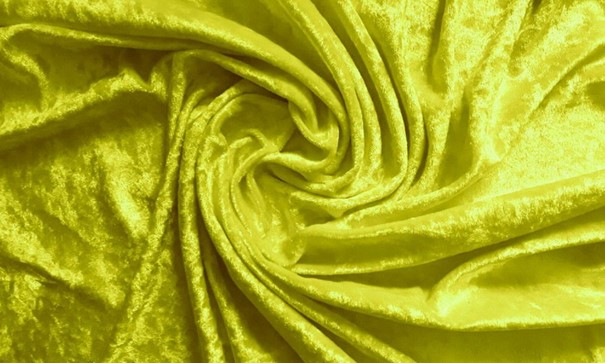
- According to the method of knitting threads
- Knitted velour is mainly obtained from cotton fibers in two ways: by weaving fibers and threads or by joining elongated loops of various types from the weft or warp, so-called. plush loop binding with stretching.
- The design of jacquard velour fabric is achieved by interweaving several threads of the same type or by adding silk, lurex to the fibers that form the base. Jacquard velour is a type of upholstery fabric.
- Moire velour with a barely noticeable pattern on the fabric, when the lighting changes, is created using hairs of different lengths that fit in different directions.
- The material is obtained by weaving with a satin or twill weave. Drap velour is an example of this type of velour.
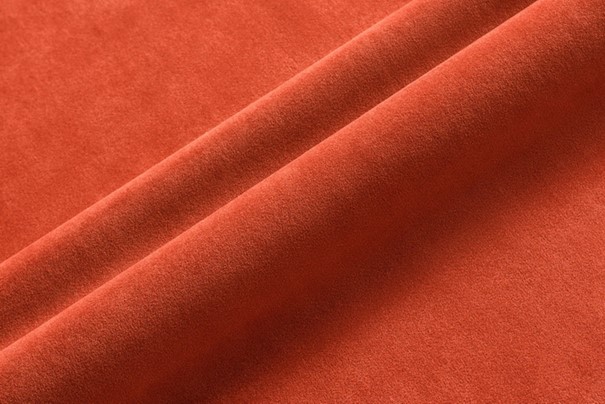
- According to the placement of hairs and external characteristics
Velour fabrics are produced using various technologies and from diverse raw materials. They share a common feature – a hairy front surface of the canvas. In addition to being looped or cut, the pile also varies in direction and length, ranging from 3 to 7 mm.
Smooth Velour
The hairs form a homogeneous structure on the surface of the canvas and are positioned perpendicular to the base.
Embossed Velour
In a certain way, the laid hairs form an original ornament or pattern on the surface of the fabric.
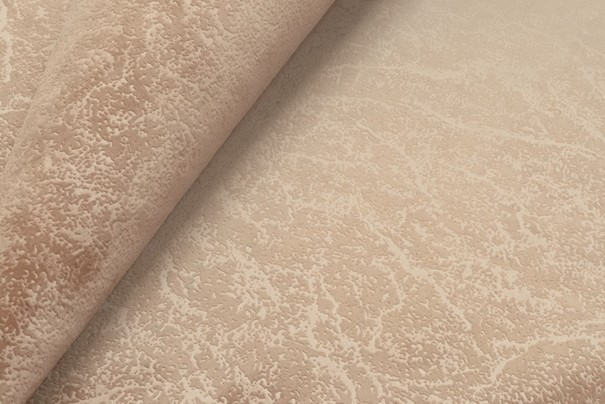
Shaped Velour
The heterogeneous texture of the canvas, shimmering in various shades, is achieved by alternating smoothed and vertically standing fibers.
Crush
The effect of crumpled fabric in the form of pleats is achieved using a special press.
Thin synthetic and natural hairs that have undergone such treatment do not straighten for a long time, and this effect lasts for an extended period.
Plissé
The accordion effect on velvet fabric is created by pleats pressed on the edge. A synthetic fabric is used for this, which contains threads of polyester, polyamide, viscose fibers, and a small amount of elastane.
- According to the dyeing method
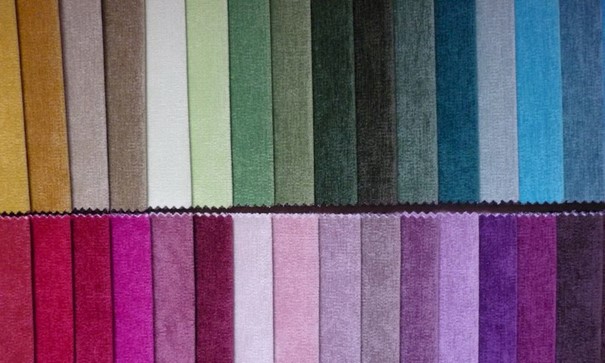
The fabric is processed with colored pigments in two ways:
- Monochrome velour – the canvas is woven from threads that have already been dyed in various colors.
- Printed velour – the design and color are applied to the front side of the finished canvas.
Both options look nice.
Various items are sewn from velour fabric of different densities, compositions, and strengths. And that is another criterion by which it is conditionally possible to distinguish between types of fabrics with a nap.
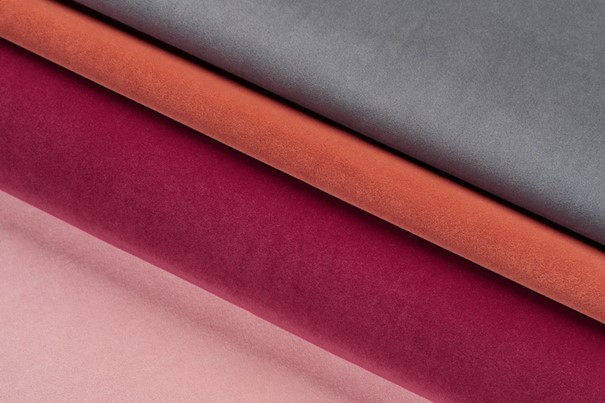
For clothing (dresses) - woolen, drapery, cotton, synthetic for garment sewing
Velour is primarily a fabric used for sewing garments. Comfortable, easy-to-wear garments are made from cotton, wool, and synthetic materials.
Velour Knit
This group of furry knitted fabrics is quite large. Thanks to the use of various materials, knitting and weaving of threads, different types of knitwear are obtained – velvet, plush, artificial fur.
This type of fabric stretches very well, is durable, and affordable.
Dense, soft, breathable, natural material is primarily used for sewing clothes for both children and adults – hoodies, cozy bathrobes, sweatpants, dresses, blouses.
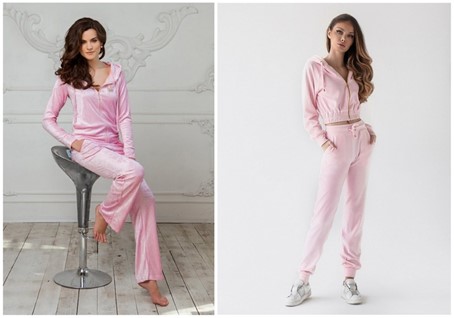
The peculiarity of velour knitwear is that even though synthetic threads are used in its production, the layer of fabric in contact with the body always remains pure cotton.
This property of the fabric is used when sewing clothes for newborns. Popular items include children's velour pants, blouses, overalls, and jackets.
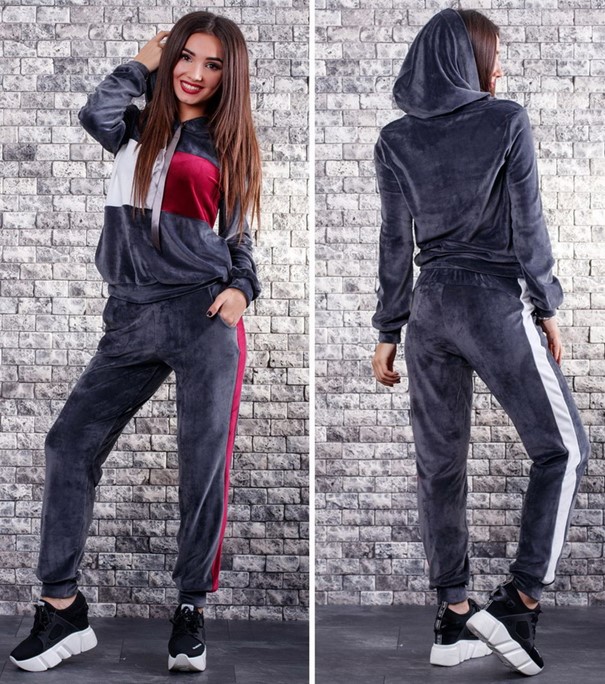
Knitted weaving is not suitable for furniture upholstery – the fabric is not strong enough and not sufficiently resistant to deformation.
Wool Velour
Varieties of wool velour – felt and drape.
Drap velour is the most expensive type of fabric among velour varieties. The raw material from which it is made is merino wool with the addition of silk and other fibers. Elegant outer garments are sewn from thin curtains, which are also warm. Wool velour is used for sewing outer winter and transitional clothing, hats, caps, hats, and accessories.
Synthetic Velour
Raincoats, coats, jackets are made from dense synthetic fabric with good protective properties. It is used as a lining for outer garments, for sewing accessories – gloves, hats, wallets, handbags.
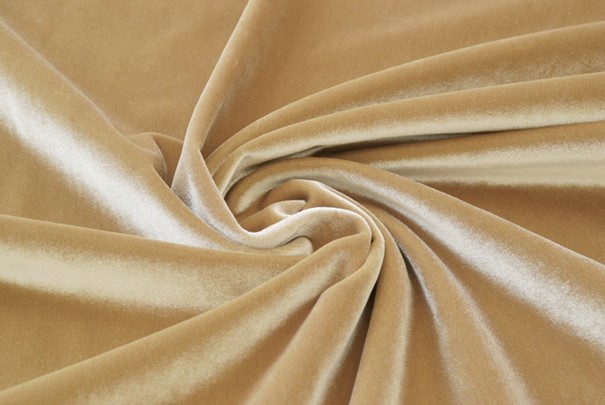
Marble Velour Stretch
Firm, beautiful, resistant to mechanical damage, pleasant to the touch fabric made of elastane and polyester. They sew clothes from it.
Velour terry
This type of velour, which combines the strength of polyester and the softness of bamboo threads, dries quickly, absorbs moisture well, and is pleasant to the touch.
Unlike regular terry, this dense fabric with a velour silk microfiber surface on the front and bamboo yarn on the inside is tear and snag resistant, does not pull out, and does not change shape after washing.
The softness of the material is achieved thanks to the knitted base and remains even after frequent washing.
Premium segment bathrobes for women and men are made from high-quality material with antimicrobial properties due to the use of bamboo yarn.
Fur velour
This material is made from sheep and goat leather by sanding the inner layer of the leather and finishing it into suede. In fact, it is the same as leather velour, but with preserved fur, which is directed inward in the product. The outer side of the canvas is similar to suede. Sheepskin velour is most commonly used to sew warm sheepskin coats, jackets, hats, warm clothing, and gloves. The material requires careful care.
Velour thread for knitting and embroidery (chenille)
In addition to woven and knitted base fabrics with pile, velour threads are also produced, which are also called "chenille". The fluffy structure of the yarn is based on a single-twisted cotton thread, to which hairs treated with a special agent are attached during its twisting due to air flow.
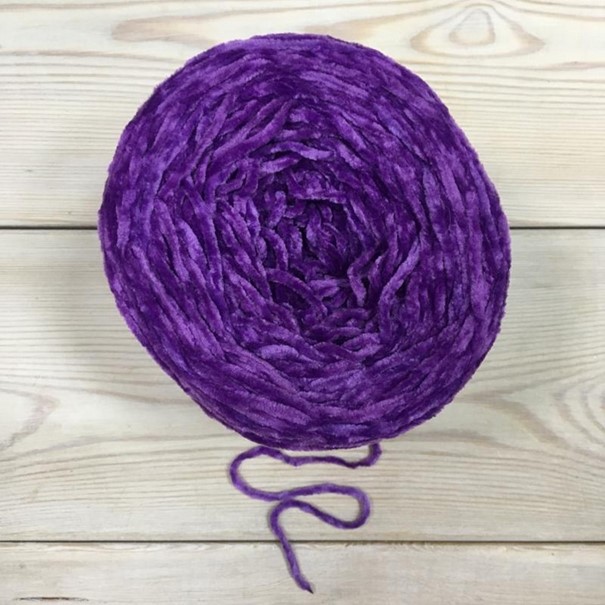
Primarily, velour yarn is suitable for hand knitting with needles.
They also use velour thread for embroidery, making tassels, and decorative cords.
Shoe Velour – Suede Analog
Shoe velour acts as an equivalent to suede, made from medium-quality natural leather.
Leather (natural) velour
Shoe suede, unlike velour fabric used for making garments and accessories, is used exclusively in the production of footwear. It is obtained from animal hides of average quality with defects on the front side. It is treated with chrome mixtures and double-sided polished. The exterior material is similar to suede, nubuck. Its texture resembles velvet, while the underside of the material remains smooth.
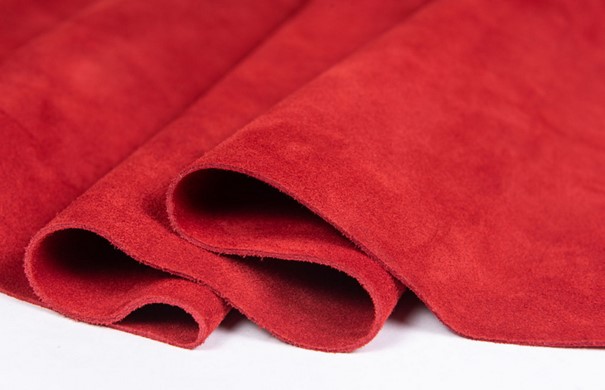
For the upper part of elegant boots, tasteful pumps, and shoes, natural leather velour with a woolen surface is used. It is recommended to wear such shoes in dry weather, as the material easily gets wet and dirty. The material, although durable, can lose its appearance and become deformed with improper care.
Also made from leather velour are jackets, clutches, bags, and furniture upholstery.
Microliner
This is a velour made from synthetic microfiber with a microporous structure. The material is pleasant to the touch, durable, strong, abrasion-resistant, breathable, elastic, soft, and smooth. It is often used for making insoles, shoe linings.
Caprovelour
The three-layer fabric consists of a pile knitted outer layer, a thin knitted bottom layer, and a thin foam filling in between them.
It is used as a lining material in footwear.
Furniture – wear-resistant, dense, synthetic, viscose, silky, woolen velour
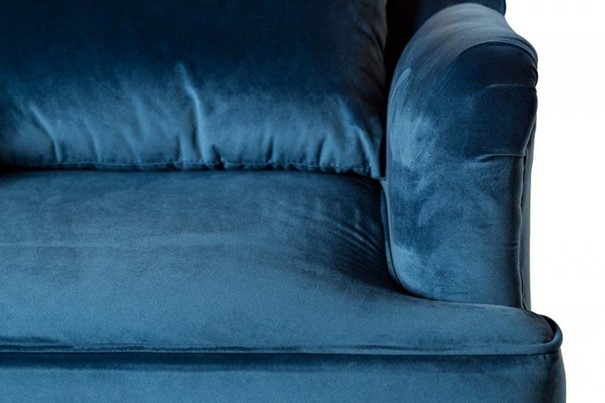
Furniture velour is considered one of the best upholstery materials in terms of performance: soft, with a velvet texture and low dense pile, durable, elastic, does not form creases, and does not require complex maintenance.
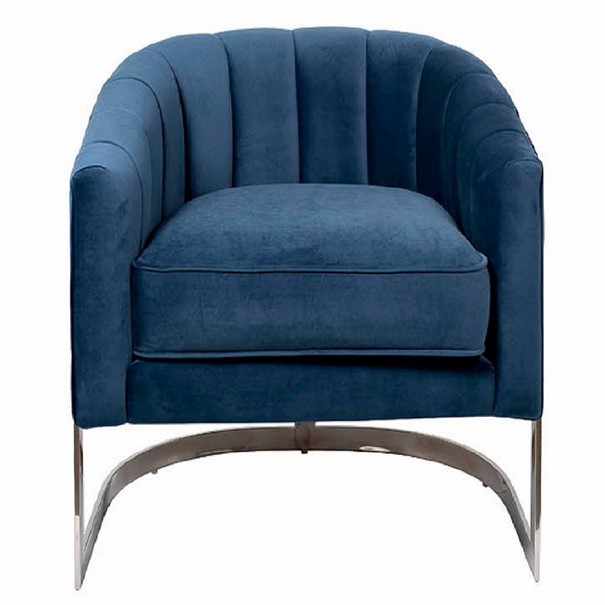
This is a group of natural, synthetic, artificial, and blended fabrics combined with a general purpose, primarily used for upholstery. Different types of materials and their combinations provide the fabric with special strength and maximum durability.
Silk velvet looks elegant as furniture upholstery. Design furniture sets are adorned with viscose and wool velour, jacquard fabric covered with hairs, featuring large patterns.
Let's compare velour with other fabrics that are often used for furniture upholstery.
Velvet micro
This furniture fabric is based on microfiber, viscose, cotton, polyester, nylon fibers, a blend of natural or synthetic fibers. An adhesive is applied to the fabric base, and finely cut nylon or capron fibers are attached. The canvas is coated with a layer of Teflon from above for reliability.
This fabric with a narrow 1.5 mm rib and stiff pile is similar to velour.
It is used in the production of upholstered furniture as an anti-vandal material that is resistant to dirt and moisture - it repels liquid well and does not absorb dirt.
Microvelour
Velour has a velvety surface and softness.
By adding synthetics, the fabric becomes denser and more resistant to abrasion, which extends its lifespan. An example of this is microvelour fabric – a breathable, wear-resistant fabric with a shorter pile than velour – with a length of up to 1 mm. It is manufactured using a special weaving method in the form of a micro honeycomb.
Which is better – velour or microvelour
Microvelour, which is used for upholstering upholstered furniture, differs from velour not only by its short pile but also by its better wear resistance, strength, resistance to deformation, and ability to not accumulate moisture and dust over the long term.
Microfiber
Microfiber is one of the best types of upholstery materials. Solid, durable, treated with Teflon impregnation, practically "indestructible", resistant to dirt and deformations, does not absorb odors and does not attract dust. Additionally, it is easy to maintain.
Which is better – velour or microfiber?
Microfiber is actually a fully-fledged artificial equivalent of velour. These substances differ only in their method of production and composition. Microfiber is composed entirely of polyester fibers. Sometimes viscose or natural cotton fibers are added to the composition to improve properties. The fibers are adhered to a synthetic base and not woven, as is usually done in the production of velour.
Compared to velour, it is a thinner material with a limited range of colors.
Which is better – microvelour or microfiber?
The upholstery material microvelour in terms of operational properties and appearance is practically indistinguishable from microfiber. However, unlike lower quality material, it requires more care and its lifespan is longer.
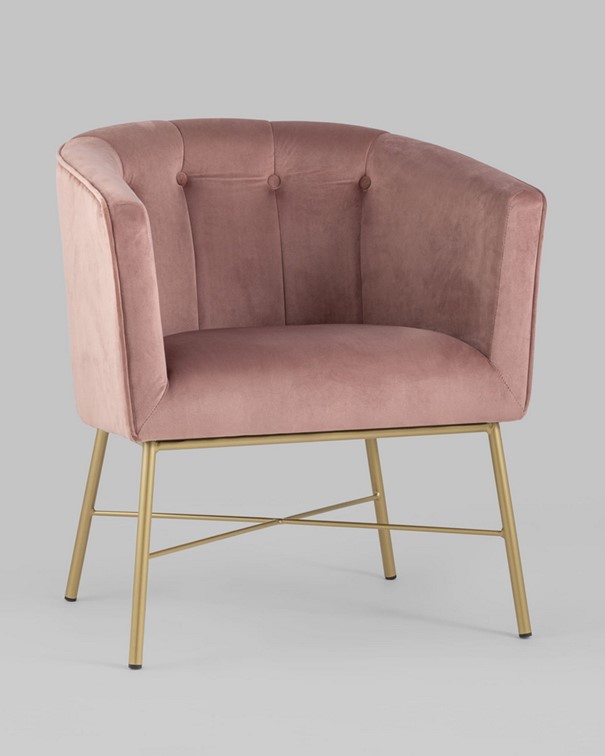
Jacquard
This is a dense furniture material with a complex patterned weave that looks great in sophisticated interiors styled as "antique".
Which is better – jacquard or velour?
Among woven materials, it is the most durable and strongest material, available in a wide range of colors and various patterns. It won't fade in the sun. It differs from soft, touch-friendly velour by the absence of pile and looks more like old tapestries with a relief pattern.
This is a practical, less moody material.
It is easy to take care of him.
Chenille
Chenille is a warm, soft upholstery fabric that contains a fluffy thread. It is considered the best for upholstering children's furniture. The material holds its shape well, does not absorb odors, does not wrinkle, and adds comfort to the room. Maintenance is easy: any stains can be removed with methanol or vinegar.
Which is better – velour or chenille?
The composition is polyester or viscose without additives or blended materials – viscose with acrylic or polyester with cotton.
Compared to furniture velour, chenille immediately absorbs moisture, forms stains, and quickly fades. Upholstery can be damaged by animal claws or any mechanical damage. For example, hooks from metal parts of clothing easily form on the fabric.
Flock
This is a fairly common type of fabric for upholstering armchairs and sofas.
The base consists of polyester and cotton, onto which nylon pile is applied. Outwardly, the fabric resembles velour, chenille, suede, leather.
What is the difference between flock and velour?
Flock is a strong and durable material resistant to wear, does not fade in the sun, and is resistant to mechanical damage. It is almost impossible to tear, and it cannot be ruined by cat claws. In addition, the fabric is often treated with a protective impregnation for reliability.
Just like velour, flock has a velvet surface.
The velvet effect on fabric is achieved by using different pile.
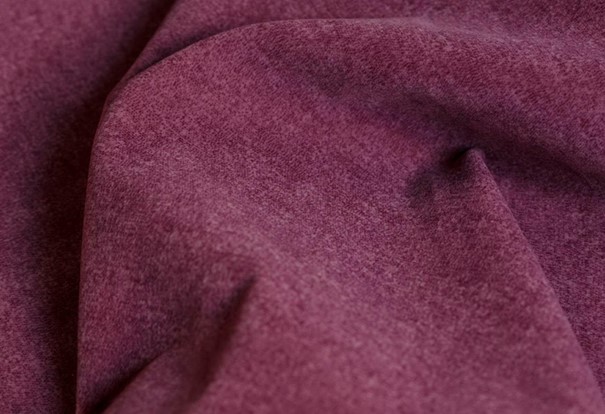
The material is low-maintenance – unlike velour, it is waterproof and can withstand any cleaning. Stains and dirt can be removed with soapy water. However, you cannot use alcohol-based cleaners for cleaning. This can disrupt the structure of the adhesive-based canvas.
Unlike velour, the fabric becomes highly charged with electricity and attracts dust. It costs less than velour, but wears out more quickly and strongly absorbs odors.
Alcantara
The fabric is made from thin synthetic fiber – ultramicrofiber. It looks like an analogue of natural suede: it features a decorative effect and a velvety texture.
Which is better – alcantara or velour?
Alcantara is just as pleasant to the touch and soft as velour. It also wicks moisture and breathes well. However, there are differences: Alcantara is a more practical material, lasts longer, and does not absorb odors. However, its price is much higher.
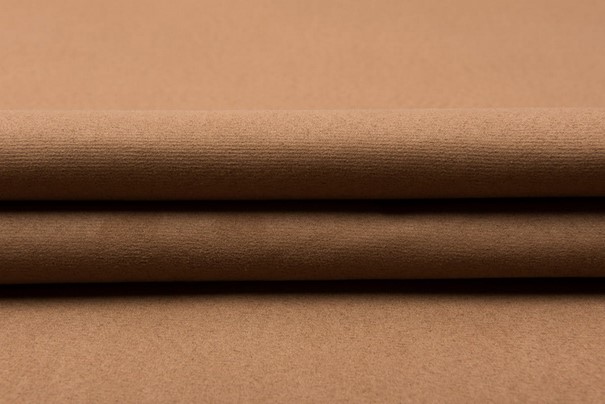
Skin
If we compare velvet and leather in the category of furniture upholstery, leather is more durable and stronger. It can be repaired with minor damage and is easy to maintain. However, leather upholstery heats up significantly and cools down quickly. It is less pleasant to the touch and not as comfortable as soft, breathable velour.
Eco-leather
In appearance and some properties, many similarities can be found between this material and its natural counterpart. Eco-leather is less durable and not as expensive.
The main difference between eco-leather and velour is the absence of nap. For this reason, the fabric is less pleasant to the touch. Additionally, it changes its properties with temperature variations and as a result of mechanical influence.
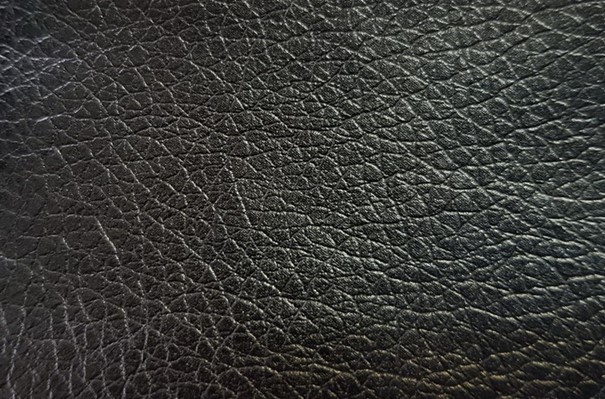
Velour fabric – for portieres, curtains, interior for sewing home textiles
Curtains, theater drapes, pillow covers, throws, tablecloths, lampshades, and other home textiles are sewn from denser velour fabric. The ability to drape, various fabric colors, resistance to fading – all these properties are particularly effective in curtains and add style and aesthetics to the interior.
Sometimes, velour fabric is used for upholstering ceilings and walls.
Bedding is made from jacquard velour.
Automotive – the most durable and long-lasting velour, with dense synthetic threads woven into the base
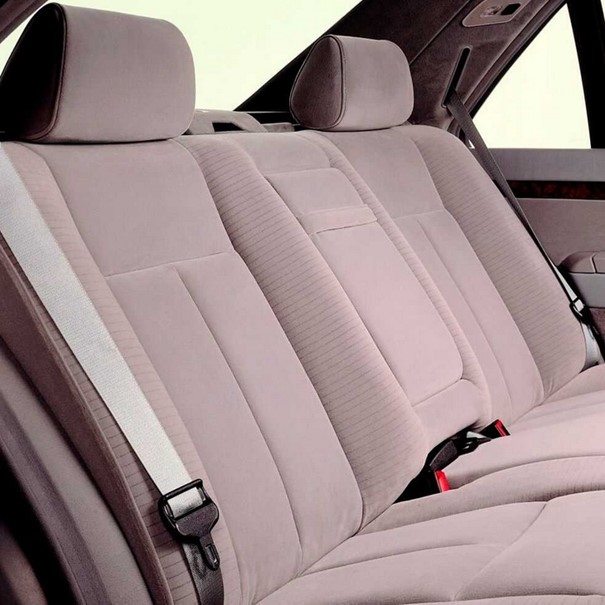
Car seat covers are made from special synthetic velour, which is based on polyester, lycra, and elastane in various proportions. This is a very durable, abrasion-resistant, non-staining fabric treated with impregnations to prevent the penetration of dirt and water. The material is inexpensive, yet it looks decent and creates a sense of comfort while traveling in the car.
- Difference from Other Materials
Velour is often confused with other furry materials, such as velvet and suede. What are the similarities and differences between these substances?
Characteristic properties of velour:
- one-sided nap – usually on the front side;
- allows moisture to pass through and gets wet quickly;
- if you run your finger over the furry fabric, the nap does not lift on its own;
- velour fabric is evenly dyed across the entire surface.
5.1. What is the difference between velour and velvet
Velour and velvet – the fabrics are soft, woolly, shiny. However, with great similarity, velvet is a more refined fabric. Its price is relatively high compared to velour.
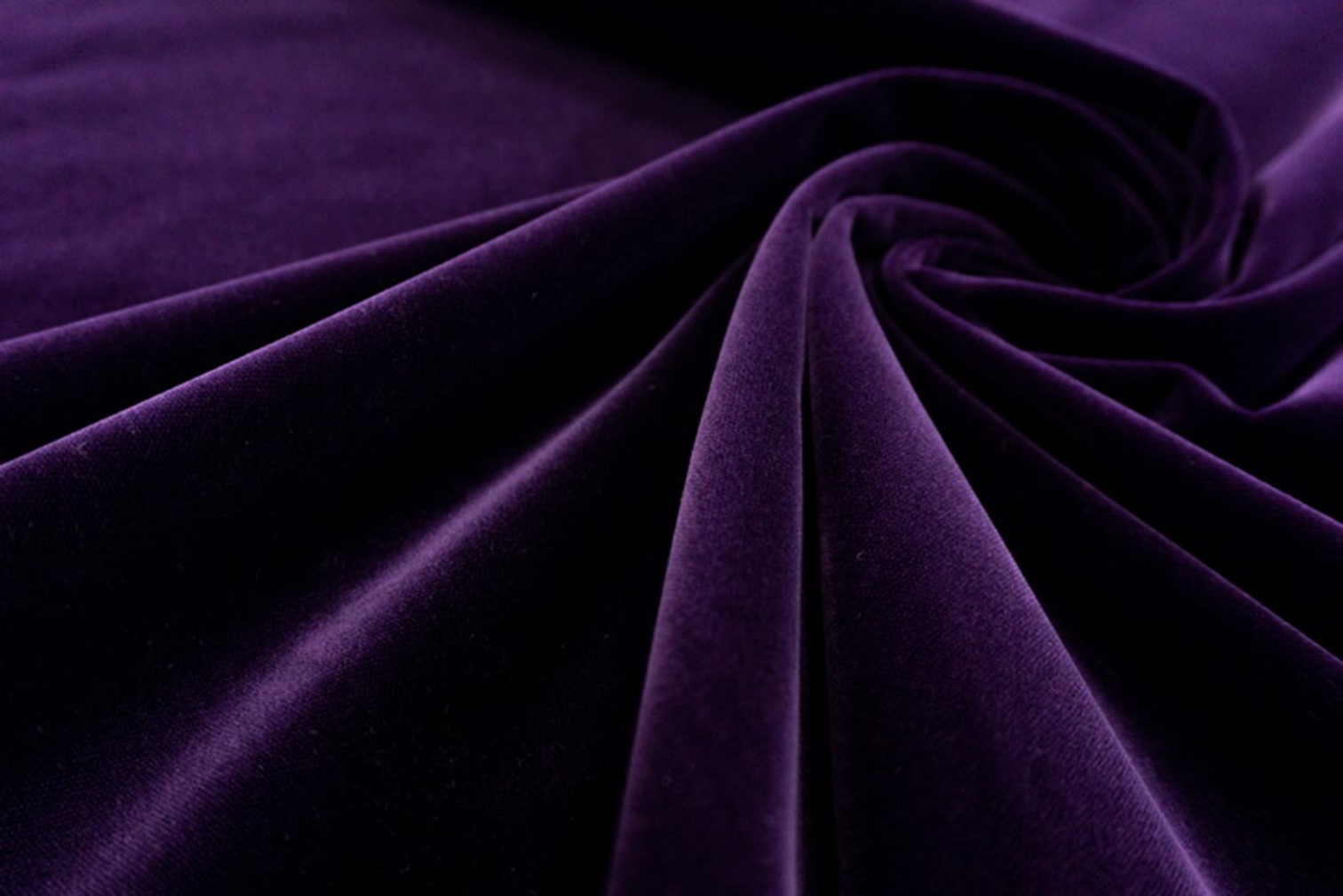
There are other characteristics by which you can understand what type of fabric it is: velvet or velour.
In the production of velvet, natural silk, woolen materials, and sometimes cotton are used. And no synthetics. While the production of velour uses not only wool and cotton fibers but also synthetic threads, elastane, and polyester.
Velvet has a coarser, short, loose, cut pile that requires regular brushing. Velour has longer and softer pile. Velvet fabric wears out, stretches, and rubs off more quickly, requiring gentler handling than velour.
- How to distinguish velour from suede
Velour and suede have similar compositions, a velvety surface, and at first glance, they are almost indistinguishable from each other. However, there is a difference between them, which lies in the varying hair height, the method of tanning and processing of the leather, and the type of leather used.
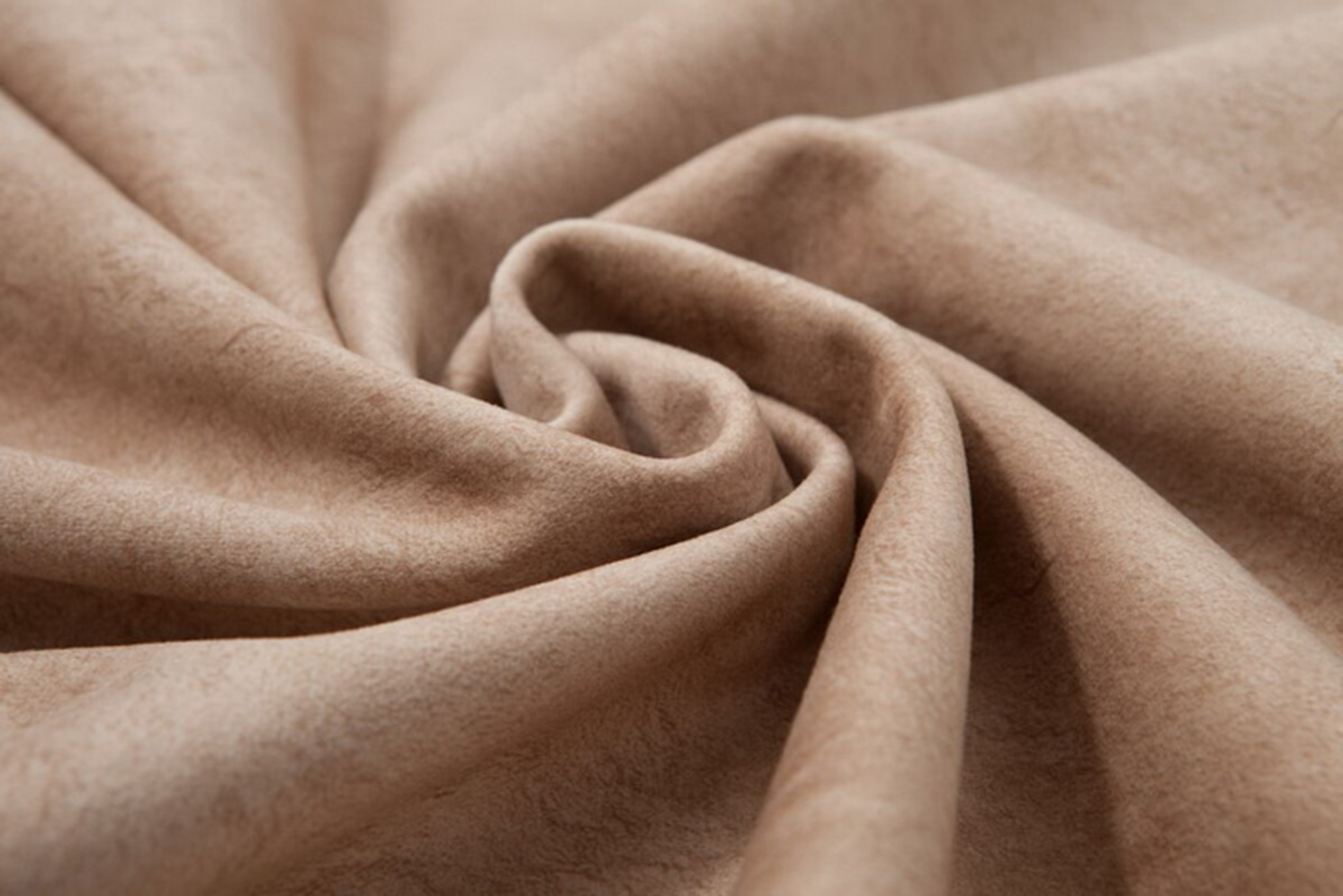
Suede from genuine leather is made from processed deer and elk hides.
While the raw materials for leather velour are not the highest quality pig, goat, or sheep skins.
Unlike velour, the surface of suede fabric is processed on both sides and is equally soft on the front and back. The material, after being processed by the fat tanning method, is durable, soft, and thin. While in the production of leather velour, chrome tanning is used with sanding only the inside to create a more lush nap.
Suede has a short nap that is resistant to moisture and dirt. What cannot be said about leather velour with longer pile – it quickly gets wet and dirty.
When dyeing suede, the color is distributed unevenly across the surface of the fabric. Velour dyes excellently into various colors.
The short nap of suede is more flexible and will straighten out after being pressed with a finger.
While on the surface of the velour fabric, the nap disintegrates in different directions upon touch, leaving noticeable marks.
Suede smells like leather, has visible pores on the surface, and does not leave fingerprints.
The edge of the canvas on suede is always cut off, while on velour the edge is always folded in the finished form.
- What is the difference between velour and corduroy
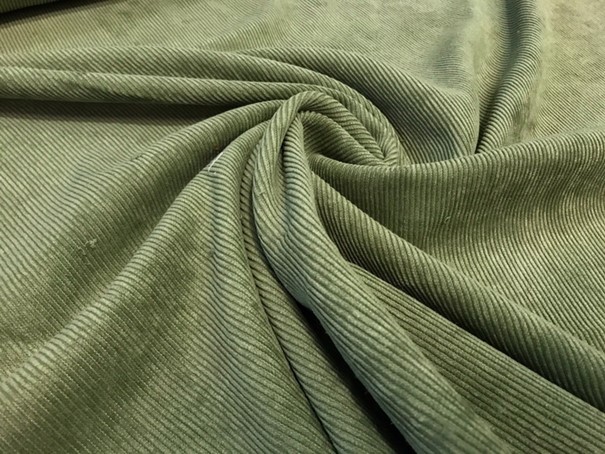
The most noticeable difference of corduroy, which immediately catches the eye, is the longitudinal groove on the front side. The difference is also in the price. Corduroy is a cheaper fabric.
Cotton corduroy and velour have a lot in common. Both fabrics have a dense pile on the front side. Velour does have a denser pile. Both materials are soft, wrinkle-free, and can be worn for a long time. Garments made from soft natural corduroy are comfortable to wear, elastic, and soft.
Furniture corduroy contains a large amount of polyester.
The synthetic base increases the fabric's resistance to mechanical impact and deformation. Corduroy upholstery does not absorb liquid, repels dirt, and resists the claws of dogs and cats.
- What is better – velour or polyester
Everyday and outer garments are made from polyester, as well as fabric velour. This material differs from the second one by small hairs and a stiffer structure. In addition, it becomes highly charged with electricity, practically does not allow air to pass through, although it has a number of advantages: it does not stretch, does not lose shape, is heat resistant and strong.
- How to distinguish natural velour from artificial
A conditional guide for determining the naturalness or artificiality of the material is its price. The cost of natural high-quality velour produced in Russia, China, Turkey, and Vietnam ranges from 350 to 650 rubles per meter. The price of Italian elite material can reach 2500 rubles.
When you turn the clothing inside out, you can tell whether it is natural or synthetic velour by the base fibers.
The synthetic material is characterized by:
- formation of creases when bending the fabric;
- glued or fabric base;
- too shiny and stiff pile;
- zero air permeability.
The furry surface of high-quality velour fabric is uniform and dense, with a thick pile evenly distributed without visible defects, bald spots, or holes.
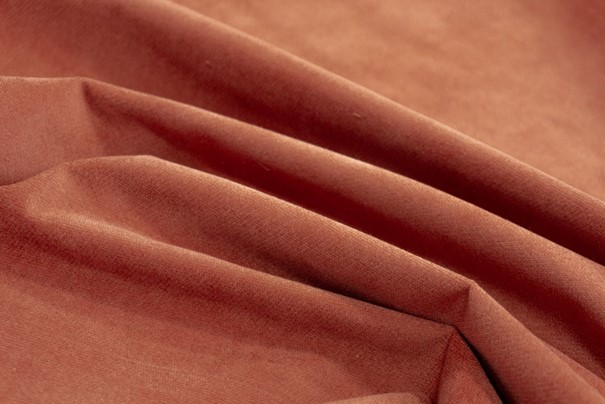
One of the signs that can help you avoid making a mistake in your choice is stroking the fur with your palm. Crushed velour fibers will not be able to return to their original position on their own.
The chemical odor of the fabric is a sign of poor material quality.
It is better to decline the purchase.
- How to care for velour
Velour is a delicate material that requires careful and regular care without the use of large amounts of water and special products.
You can try to remove dirt with a slightly dampened soft sponge with a non-aggressive cleaning agent, a dry soft brush, or a vacuum cleaner. After wet cleaning, the fur must be dried with a hairdryer after being wrapped in a towel. Restore the original shape of the soft fur with a soft brush.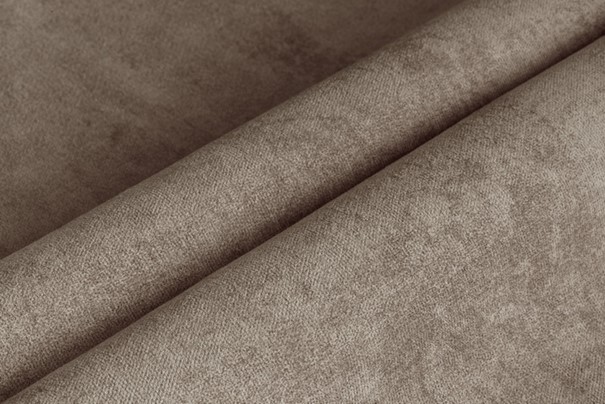
If machine washing is allowed, then only at a water temperature up to +40 °C in the "delicate wash" mode using mild detergents without bleaching additives.
Bathrobes and towels are most often washed by hand as well as in a washing machine.
The "spin" button is better not to use at all.
When squeezing with your hands, you must do it gently and let the item sit for a while for the natural drainage of water. The structure of the fabric will not be disrupted, and the fibers will not change their direction.
Dry outside or in a well-ventilated area.
Wrinkles can be removed by steaming.
You cannot iron velvet – the fabric will start to shine, and the pile will get crushed. For storing velour clothing, it is better to keep it outside or in a well-ventilated space.
For storing velour garments, it is necessary to use fabric covers.
Expensive clothing made from velour is better cleaned chemically. This is especially true for any clothing made from wool velour.
The garment label contains the necessary information to follow when caring for velour.
Furniture with velour upholstery needs to be regularly cleaned with a special brush to remove small dirt and dust.
Velour shoes cannot be washed. Clean with a hair or rubber brush only in dry form, ensuring that the hairs are not wiped off and can be lifted after completing this procedure. When water droplets land on fabric, they leave stains. The sole should therefore be washed in such a way that water does not get onto the furry fabric.
- How to Stretch Velour
To avoid ruining velour clothing by trying to increase its size, it's better to refrain from purchasing something that doesn't fit. Or return it to the store.
If it happens that the velour shoes are a bit small, there is a chance to stretch the velour in length and width by at least half a size. At the same time, you cannot use water – stains and smudges may remain on the surface of the fabric. Do not stretch mechanically – the material may deform and lose its shape. It is dangerous to experiment with shoe stretching fluid.
There are two options – return the unsuitable shoes to the store, or gradually break them in at home using a special spray for stretching genuine leather, suede, or velour.
/logo_placeholder.svg)
/search_thin.svg)
/user.svg)
/cart.svg)
/benefit_tag.svg)
/benefit_truck.svg)
/benefit_phone.svg)
/benefit_box.svg)